Why This Matters
Authorities in Puerto Rico say they have seized an estimated $12 million worth of cocaine from a small boat off the island’s north coast, the latest in a string of major drug busts in surrounding waters and ports.
Puerto Rico, a U.S. territory, has long been a key transit point for cocaine moving from South America toward the U.S. mainland and Europe. Large seizures there can disrupt supply chains that stretch well beyond the Caribbean.
The case underscores how maritime routes and commercial shipping lanes remain central to the drug trade, despite decades of enforcement efforts. It also highlights the growing role of joint operations involving local police, federal agents, and the U.S. Coast Guard in trying to intercept drugs before they reach U.S. cities.
Key Facts and Quotes
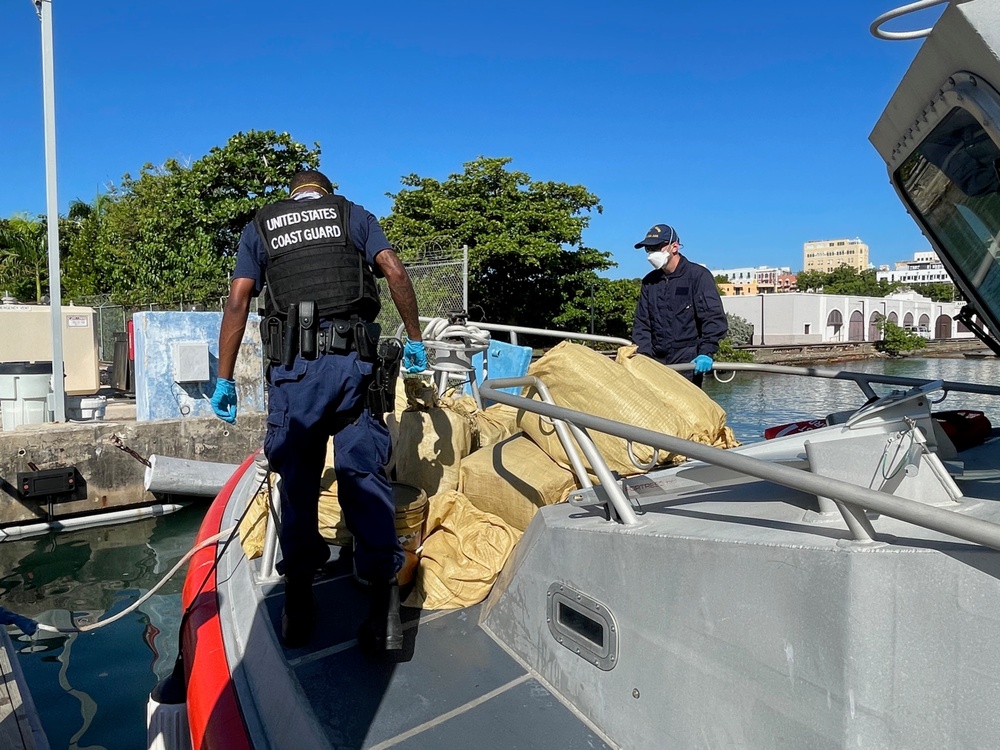
According to a police statement cited by CBS News, officers on Monday intercepted a 26-foot-long boat with no identification markings off the coast of Rio Grande, a town on Puerto Rico’s northern shore. After a pursuit at sea, officers detained three suspects and found more than 1,800 pounds of cocaine aboard.
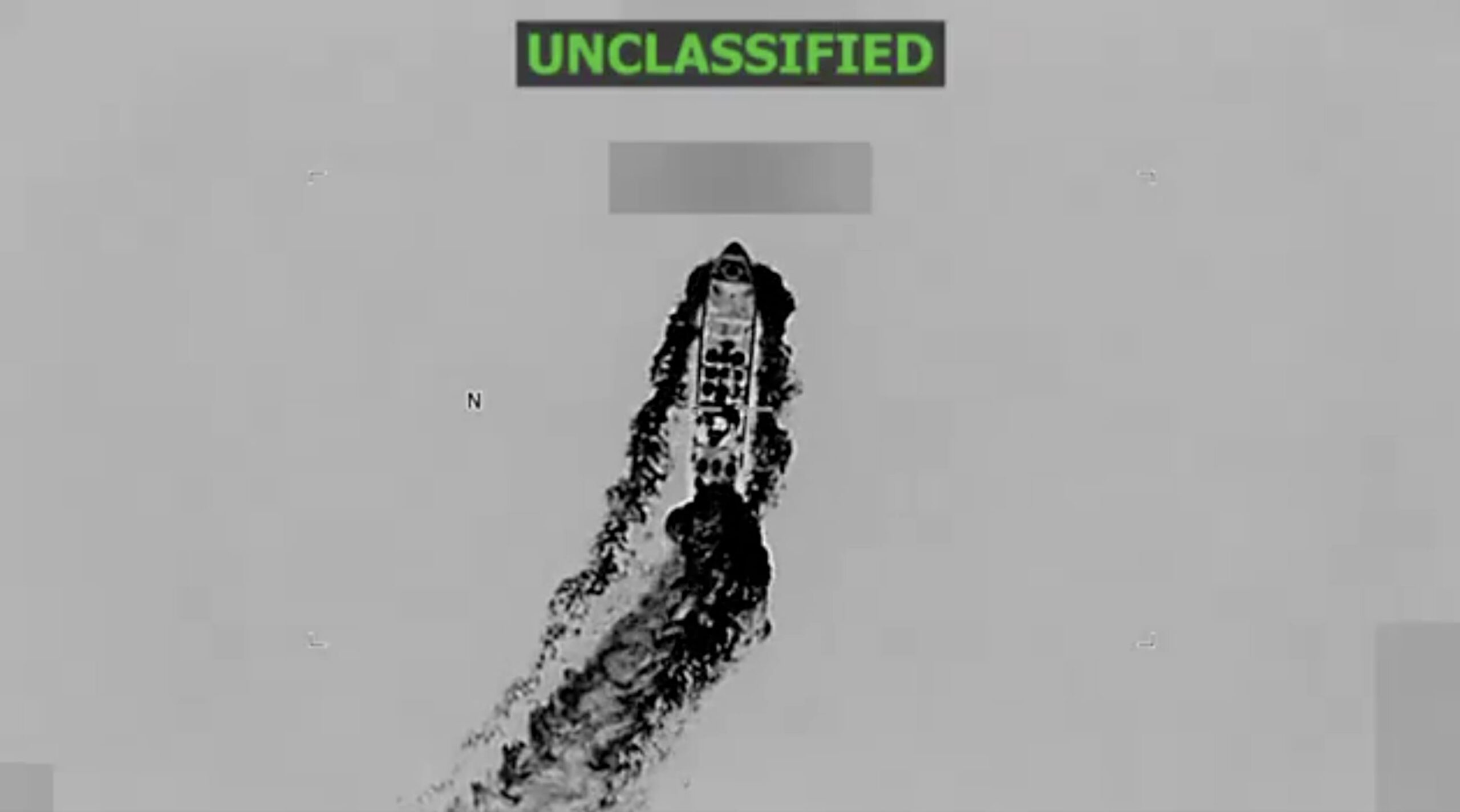
Police estimated the shipment’s value at roughly $12 million and said federal authorities are taking over the case. Officials described the bust as one of the largest cocaine seizures in Puerto Rican waters in recent years, signaling an unusually high-volume load for a small vessel.
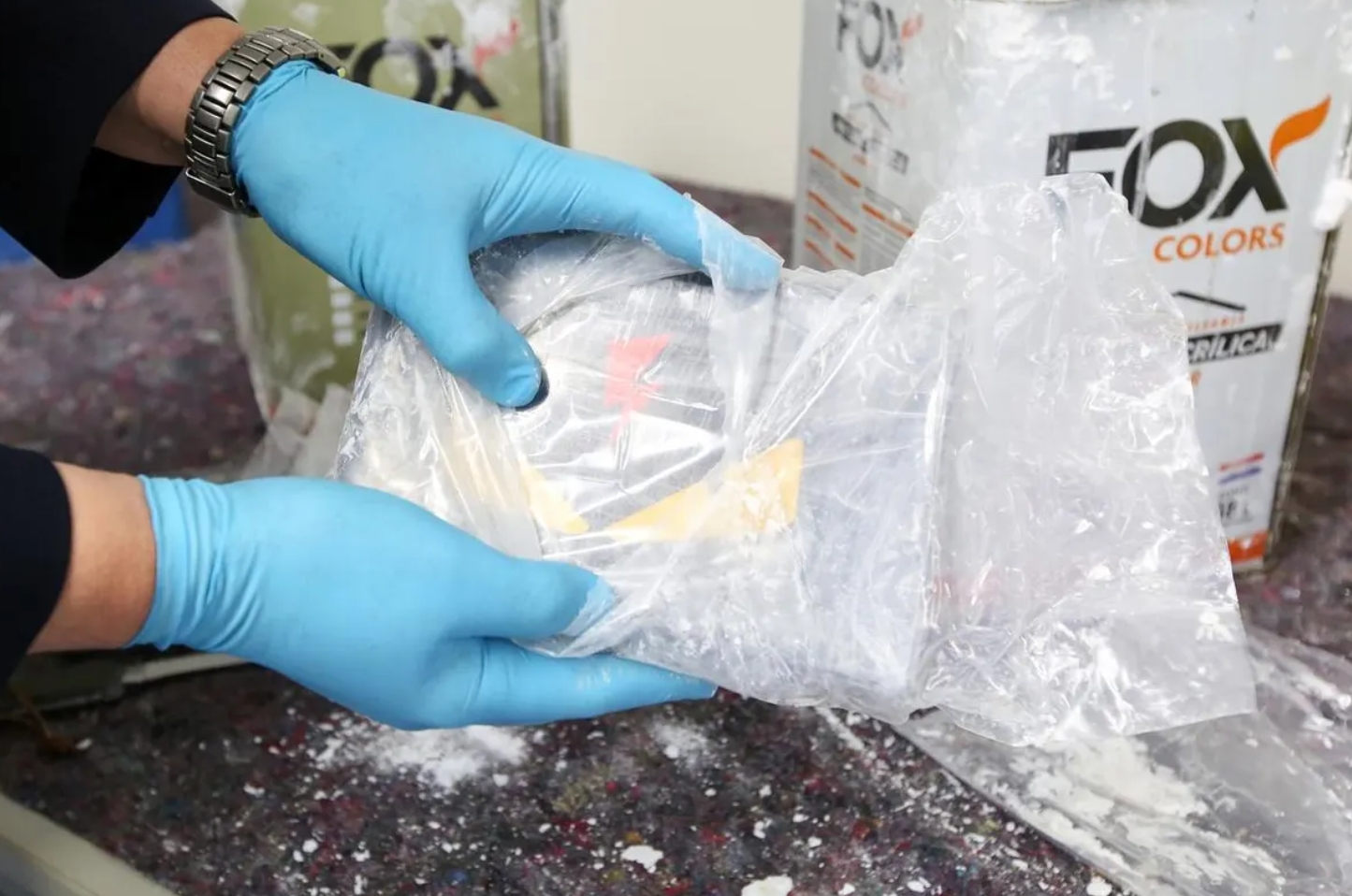
The seizure follows several other large cases in recent months. U.S. Customs and Border Protection, known as CBP, said its officers found about 214 pounds of cocaine on February 26 hidden in a cargo ship that arrived in the capital, San Juan. CBP estimated that the haul was worth roughly $1.7 million in street value.
In January, CBP reported that its agents, working with the U.S. Coast Guard, seized 10 bales of suspected cocaine off Puerto Rico after receiving reports of suspicious activity involving two vessels. The bales weighed nearly 780 pounds and were estimated to be worth more than $5 million, according to the agency.
Late last year, CBP officers in San Juan said they seized almost 1,000 pounds of cocaine concealed within a cargo trailer. Taken together, the recent busts point to a sustained effort by traffickers to move large quantities of drugs through Puerto Rican waters and ports, and a similarly sustained push by authorities to intercept them.
What It Means for You
For people on the U.S. mainland, these cases are a reminder that much of the cocaine that appears in American cities often passes first through Caribbean corridors like Puerto Rico. Enforcement outcomes there can influence supply, prices, and, over time, the scale of drug-related crime and public health challenges in the United States.
In the coming weeks, observers will be watching whether the three suspects detained in the boat case are formally charged in federal court, and whether officials announce further changes to maritime and port security. The pattern of large seizures may shape future debates over funding for coastal patrols, port inspections, and regional cooperation across the Caribbean.
How do you think law enforcement should balance investment in maritime drug enforcement with other community priorities like education, health, and local policing?
Sources
- CBS News report, “$12 million worth of cocaine found on smuggling boat off Puerto Rico, police say,” March 23, 2026.
- Puerto Rico Police Department public statement on maritime drug seizure near Rio Grande, March 2026; U.S. Customs and Border Protection national media release on 214-pound cocaine seizure in San Juan, February 26, 2026.
- U.S. Customs and Border Protection local media release on joint CBP-U.S. Coast Guard seizure of 10 bales of suspected cocaine off Puerto Rico, January 2026.
- U.S. Customs and Border Protection local media release on seizure of nearly 1,000 pounds of cocaine from a cargo trailer in San Juan, late 2025.