Why This Matters
A coalition of eight architecture and cultural organizations has filed a federal lawsuit against President Trump and the Kennedy Center board, seeking to halt extensive renovations at the national performing arts center. The case challenges whether the White House and the board must comply with historic preservation laws and obtain explicit approval from Congress before moving forward.
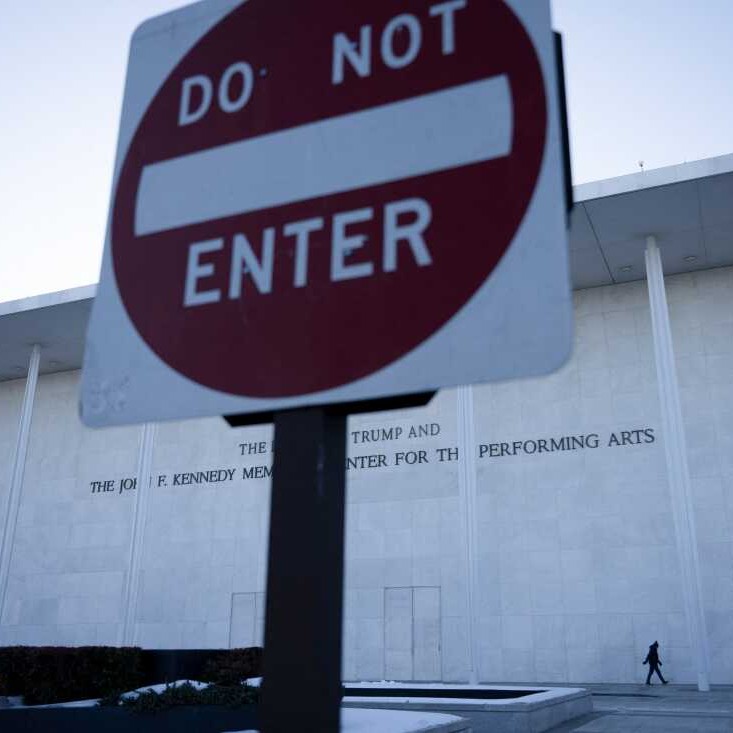
The John F. Kennedy Center for the Performing Arts, opened in 1971, serves both as a living memorial to President John F. Kennedy and as one of the country’s most prominent stages for theater, music, and dance. How and whether it is reshaped will influence the cultural identity of Washington, D.C., and a landmark visited by millions of Americans and tourists each year.
The dispute also tests the strength of federal safeguards that protect historic and environmental resources, including laws that typically require public review and congressional involvement for major changes to significant federal properties. The outcome could signal how much freedom any administration has to redesign national cultural sites.
Key Facts and Quotes
The suit was filed Monday in U.S. District Court in Washington, D.C., by the American Institute of Architects, the American Society of Landscape Architects, the Committee of 100 on the Federal City, the Cultural Landscape Foundation, the DC Preservation League, Docomomo US, and the National Trust for Historic Preservation. Together, these groups say they represent more than one million members and supporters nationwide.
According to the complaint, the Kennedy Center has “stood since 1971 as a living memorial to a slain president, a national gathering place for the arts and a defining landmark within the monumental core of the Nation’s capital.” The plaintiffs argue that President Trump, serving as the arts complex’s chairman, and his appointed board of trustees intend to “fundamentally alter” the site without complying with key federal historic preservation and environmental laws and without securing required congressional authorization.
In their filing, the groups point to the demolition of the East Wing of the White House last October as an example of what they describe as a broader reshaping of the capital’s built landscape under Trump. They also cite the president’s repeated public statements that he plans a “complete rebuilding” of the Kennedy Center as evidence that the project goes beyond routine renovation.
Last Monday, the Kennedy Center board voted to close the complex for two years of renovations beginning just after July 4 celebrations. Before the vote, Trump held a press conference with board members and close allies, including New England Patriots owner Robert Kraft and casino executive Steve Wynn, saying the vote was “coming a little late for the board, because we’ve already announced it.”
A coalition of cultural and historic preservation groups is suing to block further physical changes to the Kennedy Center ahead of a two-year closure that President Donald Trump insists is necessary to renovate the prominent performing arts venue.
The lawsuit against Trump, the… pic.twitter.com/0nYu0uLtme
— Yahoo News (@YahooNews) March 23, 2026
Architectural plans for the project have not been made public. The president has said experts have been consulted, but questions about bidding, financing, and which architects and contractors are involved have gone unanswered. In an email statement, White House spokesperson Liz Huston said, “President Trump is committed to making the Trump-Kennedy Center the finest performing arts facility in the world. We look forward to ultimate victory on the issue.” The Kennedy Center has not publicly responded to detailed questions about the project.
What It Means for You
If the renovations proceed as scheduled, audiences could see the Kennedy Center closed for at least two years, disrupting performances, ticket plans, and educational programs. If courts pause the project, current operations might continue longer, but long-term modernization or expansion could be delayed or reshaped.
Beyond this single venue, the case may set a precedent for how presidents and federal boards handle major changes at other national cultural and historic sites. Court rulings, future congressional action, and any release of detailed design plans will be key milestones for anyone tracking government stewardship of public landmarks.
How do you think the country should balance preserving historic landmarks with updating them to serve modern audiences and needs?
Sources
- Federal civil complaint filed in U.S. District Court for the District of Columbia, March 23, 2026.
- Email statement from White House spokesperson Liz Huston, March 23, 2026.
- Official actions and public records of the Kennedy Center board, March 2026.
- Contemporaneous national news reporting on the lawsuit and renovation plans, March 23, 2026.