TL;DR
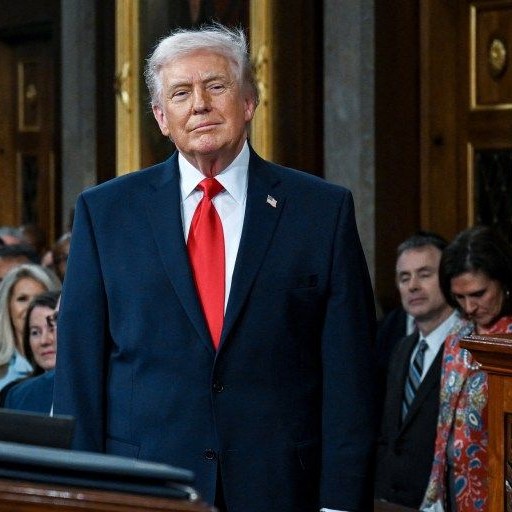
In his latest State of the Union address, President Donald Trump vowed that Iran will “never” be allowed to obtain a nuclear weapon, as the United States expands its military presence in the Middle East and domestic political tensions remain high.
Why This Matters
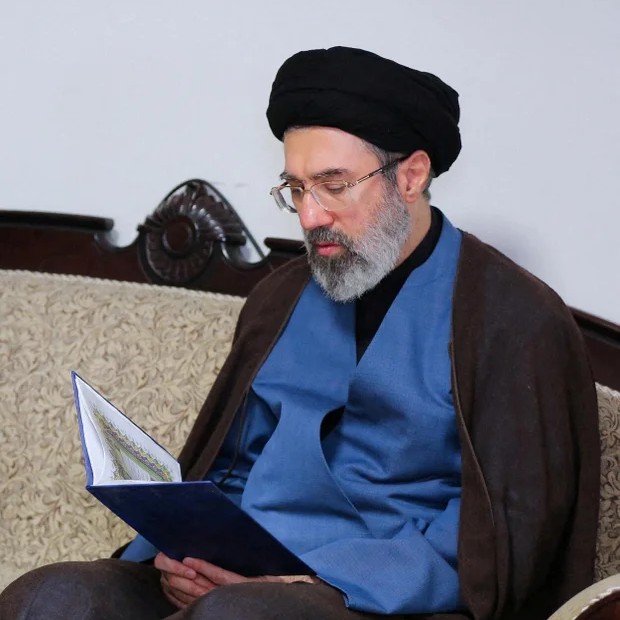
The future of Iran’s nuclear program has been a central question in global security for nearly two decades. A public pledge by a U.S. president to block Tehran from ever acquiring a nuclear weapon signals that Washington is prepared to keep substantial diplomatic and military pressure on Iran, with ripple effects across the region.
Iran reached a landmark nuclear deal with world powers in 2015, which limited its uranium enrichment in exchange for sanctions relief, according to the United Nations’ nuclear watchdog, the International Atomic Energy Agency. The United States withdrew from that agreement in 2018 under Trump, and Iran later expanded its nuclear activities beyond the deal’s limits, raising fresh concerns among Western and regional governments.
Trump’s latest remarks come at a time when Americans are divided over the direction of the country. A PBS NewsHour/NPR/Marist poll cited by PBS reports that 60% of Americans say the country is worse off than a year ago, while 40% say it is in better shape. Foreign policy decisions, including on Iran, are likely to feed into that broader debate ahead of the next election cycle.
Key Facts & Quotes
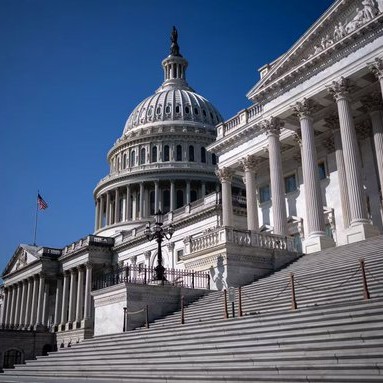
Speaking before a joint session of Congress on Tuesday, Trump said he would not allow Iran to develop a nuclear weapon. “I will never allow the world’s No. 1 sponsor of terror, which they are by far, to have a nuclear weapon,” he said, according to the televised address carried by PBS. “Can’t let that happen.”
Trump says Iran will ‘never’ have nuclear weapons during State of the Union address
As US-Iran tensions rise, US President Donald Trump stated that he will “never allow the world’s number one sponsor of terror to have a nuclear weapon.” pic.twitter.com/GJDdO9gAlW
— 🎗️Monotheistic Zionist 🎗️🕎💙🇮🇱🇧🇷 (@Zionist_faithfu) February 25, 2026
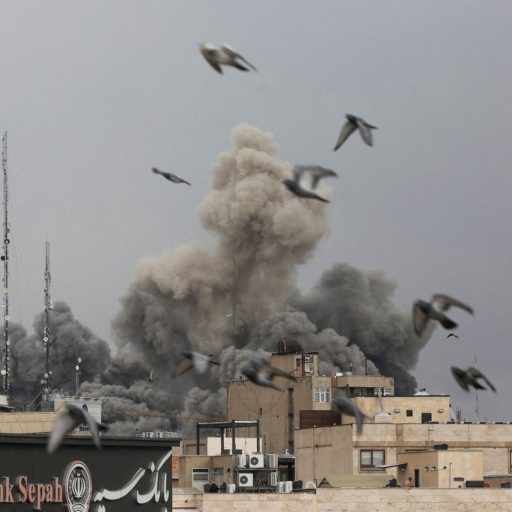
PBS reports that the United States has been building up what officials describe as its largest deployment of American warships and aircraft in decades in the Middle East. The Trump administration says the buildup comes as it prepares to restart talks with Iran over its nuclear program, though no detailed negotiating timeline has been made public.
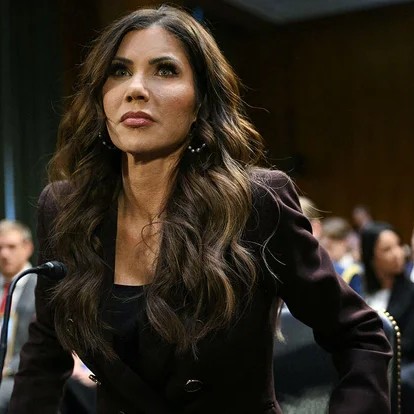
The State of the Union address also came after 13 months marked by rapid deregulation, a record number of executive actions, mass layoffs, and aggressive immigration enforcement, PBS notes. The Supreme Court recently struck down the administration’s sweeping tariffs, and a partial shutdown of the Department of Homeland Security continues amid a funding standoff with congressional Democrats. Questions surrounding the Jeffrey Epstein investigation remain a political distraction for the White House.
What It Means for You
For many Americans, the latest update on Iran’s nuclear ambitions may feel distant, but the stakes are tangible. A prolonged U.S. military buildup in the Middle East can affect service members and their families, global oil flows, and, indirectly, prices at the gas pump. Heightened tensions also test long-standing U.S. alliances with Israel and Gulf Arab states, as well as relations with European partners that still back diplomacy with Iran.
At home, how Washington handles Iran will be part of a larger debate over national security, defense spending, and America’s role in the world. Voters can expect more discussion of these issues as Congress responds to Trump’s remarks and as any new talks with Tehran are announced.
As you follow this top story, what do you think the right balance is between military pressure and diplomatic engagement with Iran?