TL;DR
Tehran is enduring a fourth straight day of reported U.S.-Israeli airstrikes while Iran’s leadership prepares a high-profile funeral for the late supreme leader, seeking to project stability in a deeply divided and increasingly tense country.
Why This Matters
Continued airstrikes on Tehran, a city of more than 8 million people, signal a sharp escalation in long-running tensions among Iran, the United States, and Israel. Any sustained conflict in or around the Iranian capital raises the risk of wider regional confrontation in the Middle East, already strained by years of proxy clashes and political crises.
Iran is not only a regional power but a major oil producer located along key energy shipping lanes. Prolonged instability there can feed uncertainty in global energy markets, raising concerns about possible supply disruptions and ripple effects on international prices. Those swings can eventually filter through to fuel, shipping, and consumer costs worldwide.
The strikes are unfolding just as Iran plans funeral ceremonies for its late supreme leader, a central figure in the country’s political and religious system. Authorities appear intent on using the events to show continuity and control. At the same time, reports of both public mourning and scattered celebrations highlight deep internal divisions that could shape Iran’s politics and its foreign policy posture in the months ahead.
Key Facts & Quotes
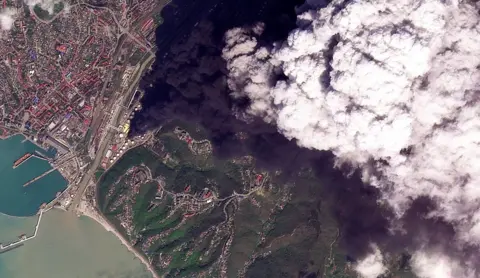
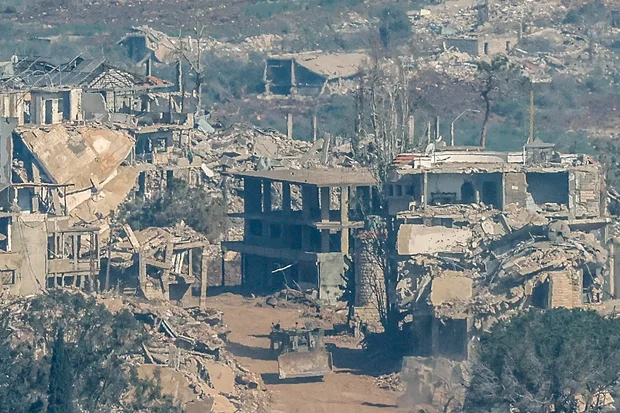
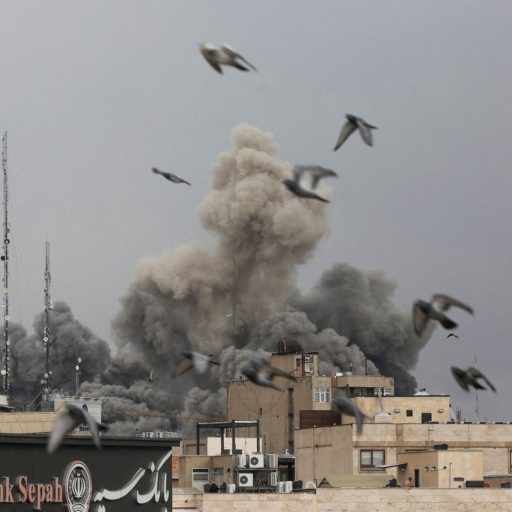
In a televised report from Tehran on March 3, correspondent Reza Sayah described “another intense, unnerving, frightening day of airstrikes” over the Iranian capital. He said jet fighters were heard overhead, followed by “earth-shaking explosions” and thick plumes of smoke. The heaviest raids were reported overnight between midnight and 2 a.m., with additional strikes in broad daylight later in the day.
🇮🇷 Smoke billowing from Azadi Square today in Tehran following massive U.S. – Israeli joint airstrikes in the city. pic.twitter.com/M17OXT3a5B
— Cam Higby 🇺🇸 (@camhigby) March 4, 2026
Iranian officials, quoted in the same report, said preparations were underway for the funeral and burial ceremonies for the late supreme leader. They indicated there would be a ceremony in Tehran, with burial planned in his hometown of Mashhad, at the shrine of Imam Reza, an important Shia pilgrimage site. Officials acknowledged the challenge of organizing large public events while “a country that’s under attack [is] being bombed every day.”
Sayah noted that when the leader’s death was announced, there were both pockets of celebration and large crowds mourning across the country of roughly 90 million people. “These are 90 million voices,” he said, stressing that while many Iranians disliked or despised the leader, “there’s also millions of people that despise the United States and Israel more.” As of his latest update from Tehran, he said he was not yet seeing signs of a larger protest movement building in the capital.
What It Means for You
For people watching from the United States and elsewhere, the latest update from Tehran is a reminder of how quickly regional tensions can escalate into open conflict with global consequences. Even without direct involvement, households can feel the impact through energy prices, market volatility, and broader uncertainty that can weigh on retirement accounts and business planning.
Diplomats will be watching for any moves toward wider regional war, as well as how Iran manages succession and public dissent during the funeral period. For readers, it may be important to follow verified on-the-ground reporting and official statements as events unfold, and to consider how your own community discusses complex conflicts far from home.
How do you think coverage of wars abroad should balance immediate breaking news with deeper context about the people living through it?
Sources: Televised interview and field report by correspondent Reza Sayah from Tehran, aired March 3, 2026; Statements by Iranian officials regarding funeral and burial plans for the late supreme leader, as quoted in the same broadcast, March 3, 2026.