TL;DR
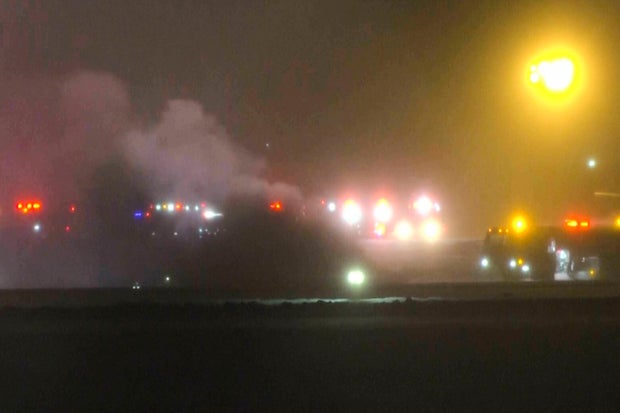
Seven people were killed and one crew member was seriously injured when a private business jet crashed and caught fire during a snowstorm at Bangor International Airport in Maine.
Why This Matters
The crash in Bangor comes as much of the United States has been battling a large winter storm that has already disrupted air travel and road traffic across several regions. A fatal crash during active snowfall highlights how quickly conditions can deteriorate, even at airports that routinely operate in harsh winter weather.
Investigators from the Federal Aviation Administration (FAA) and the National Transportation Safety Board (NTSB) will now examine weather, pilot decisions and aircraft performance to understand what went wrong. Their findings could lead to new safety recommendations for flights operating in snow and low visibility, including smaller business jets that are widely used by companies and charter operators.
For travelers and families, this event underscores the risks associated with flying during severe weather and the importance of real-time updates from airlines and airports. It also places renewed attention on how airports and air traffic controllers manage departures and arrivals during fast-changing winter storms.
Key Facts & Quotes
According to the FAA, a Bombardier Challenger 600 business jet carrying eight people crashed around 7:45 p.m. while departing Bangor International Airport during a snowstorm. The agency said seven people were killed and one crew member survived with serious injuries after the aircraft came to rest inverted and caught fire.
An FAA update confirmed the seven fatalities. Records cited by local media indicate the jet was registered to a law firm based in Houston, Texas. Authorities have not released the names of those on board, and the NTSB said information about victims will come from local officials.
The airport said emergency crews responded immediately and the airfield was closed after what it described as an incident involving a single departing aircraft. Bangor Police later said the airport remained closed into Monday morning, with other flights canceled and travelers urged to avoid the area.
Audio from LiveATC.net, which relays conversations between air traffic controllers and pilots, captured discussion about poor visibility in the minutes before the crash. Shortly afterward, one controller reported that a passenger aircraft was upside down.
🚨 BREAKING: FAA confirms 7 dead, 1 survivor after a private jet crash at Bangor International Airport — a winter storm takeoff turned into catastrophe. pic.twitter.com/BacXL9YDY3
— Derrick Evans (@DerrickEvans4WV) January 26, 2026
Bangor International Airport, about 200 miles north of Boston, is a key hub for northern and eastern Maine and supports both civilian flights and the Maine Air National Guard. The National Weather Service office in Caribou said the airport received nearly 10 inches of snow from the broader storm system, though snowfall was just beginning at the time of the accident.
Airport director Jose Saavedra said Bangor is accustomed to winter operations, noting, “We have crews on site that respond to weather storms on a regular basis. This is normal for us to respond to weather events.” The Challenger 600, first introduced in 1980, typically seats 9 to 11 passengers and remains a popular model for business and charter travel, according to an aircraft charter company.
What It Means for You
For anyone flying during winter, the crash is a stark reminder that severe weather can affect safety and schedules, even at airports used to snow and ice. Travelers may see additional caution around departures in poor visibility, including more delays and cancellations when storms hit.
In the coming months, the NTSB investigation will look at weather conditions, pilot training and decision-making, aircraft maintenance records, and airport operations. Its final report could shape future guidance for flying in snowstorms, including how smaller business jets are dispatched. For frequent flyers, especially those planning winter trips or relying on regional airports, staying informed about conditions and allowing extra time for travel will remain essential.
Sources
Federal Aviation Administration preliminary report, January 2026; statements from Bangor International Airport and Bangor Police Department, January 2026; National Transportation Safety Board briefing, January 2026; National Weather Service (Caribou, Maine) storm summaries, January 2026; FlightAware flight disruption data, January 2026.
What questions do you have about how airports and airlines should balance safety and schedule pressures during major winter storms?