Why This Matters
China’s move to block Meta’s $2 billion acquisition of AI start-up Manus is the latest sign that advanced technology deals now sit squarely inside the broader rivalry between Washington and Beijing. The decision shows how political and regulatory risk can reshape even private business transactions.
The case also underlines how seriously governments are treating so-called autonomous AI agents, tools that can plan and complete tasks with limited human input. For companies and investors, it is a reminder that cross-border deals involving data, algorithms, or cutting-edge research are likely to face intense scrutiny.
For everyday users of Meta platforms such as Facebook and Instagram, this could influence the pace and shape of new AI features. As major powers tighten control over who owns and operates advanced systems, the global tech landscape may become more fragmented, with different rules and capabilities by region.
Key Facts and Quotes
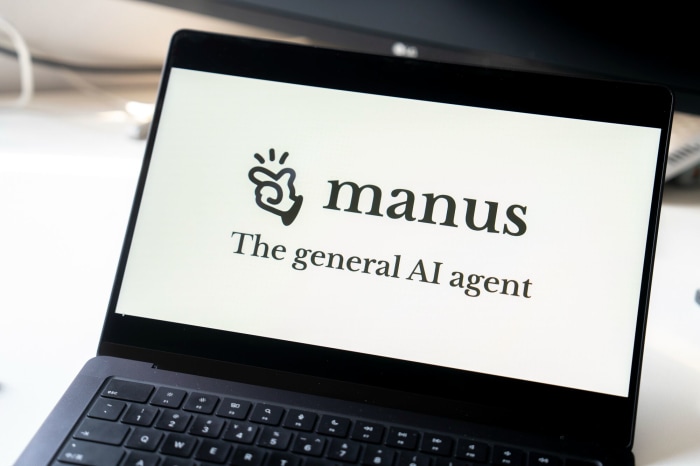
Facebook-owner Meta announced in late December that it planned to buy Manus, an AI firm now based in Singapore but originally founded in China, in a deal estimated at about $2 billion. Meta said Manus’ technology would help strengthen AI across its social networks and messaging apps.
Reports on Monday said China’s National Development and Reform Commission, the country’s top economic planning agency, had prohibited foreign investment in the transaction and ordered: “the parties involved to withdraw the acquisition transaction.” That effectively blocks the deal under China’s current rules on technology exports and foreign ownership.
A Meta spokesperson told the BBC that “the transaction complied fully with applicable law,” adding, “We anticipate an appropriate resolution to the inquiry.” Earlier this year, the company had said “the outstanding team at Manus is now deeply integrated into Meta,” suggesting that reversing the deal could be complex and disruptive.
Manus has promoted its technology as a “truly autonomous” agent, claiming it can plan, execute, and complete tasks independently based on user instructions, rather than relying on repeated prompts. Analysts previously described the acquisition as a “natural fit” for Meta, where chief executive Mark Zuckerberg has pushed heavy investment in AI even as the company cuts thousands of jobs to fund that effort.
The decision comes amid wider tensions between the United States and China over technology and data security. The White House recently said it would work more closely with American AI firms to counter “industrial-scale campaigns” to steal advances in the field, citing new information showing that “foreign entities, principally based in China,” were copying US models. A representative of China’s embassy in Washington criticized what it called “the unjustified suppression of Chinese companies by the US,” adding that China is “becoming the world’s innovation lab.”
What It Means for You
If the block stands and Meta is forced to unwind the Manus deal, users may see slower or more cautious deployment of some advanced AI features across Meta’s apps, at least in the near term. Other global tech firms considering acquisitions with Chinese ties may also delay or reshape deals to avoid similar regulatory roadblocks.
More broadly, this case points to a world in which major powers guard their most advanced technologies more tightly. That could mean different apps, rules, and capabilities depending on where you live, and fewer truly global platforms as companies navigate an increasingly divided regulatory landscape.
How do you think rising US-China tensions over advanced technology should shape the rules for who is allowed to own and control powerful AI systems?
Sources
BBC News report by Liv McMahon on Meta’s blocked acquisition of Manus, April 27, 2026; public statements and prior comments by Meta spokespeople regarding the Manus deal; reported actions and notices from China’s National Development and Reform Commission; recent White House memo and public remarks from China’s embassy in Washington on US-China technology tensions.