Why This Matters
Eight weeks after fighting began between the U.S. and Iran, the conflict is already showing up in Americans’ monthly budgets. Gasoline has climbed above $4 a gallon on average, inflation has reached its highest level in nearly two years, and economists say the shock will not fade quickly.
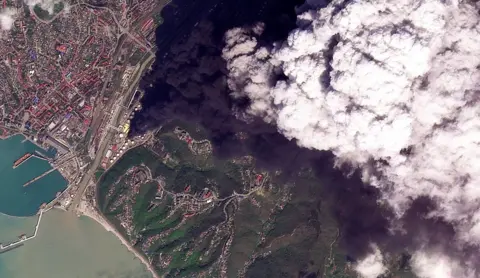
The war has disrupted oil flows through the Strait of Hormuz, a narrow waterway that normally carries about one-fifth of the world’s crude. That bottleneck is pushing up energy costs worldwide, which in turn can drive broader price increases for transportation, food, and consumer goods across the U.S. economy.
This latest energy shock is also hitting amid other pressures, including large-scale tech layoffs and ongoing uncertainty over tariff policy. Together, these forces are shaping the outlook for growth, jobs, and household finances through the rest of 2026.
Key Facts and Quotes
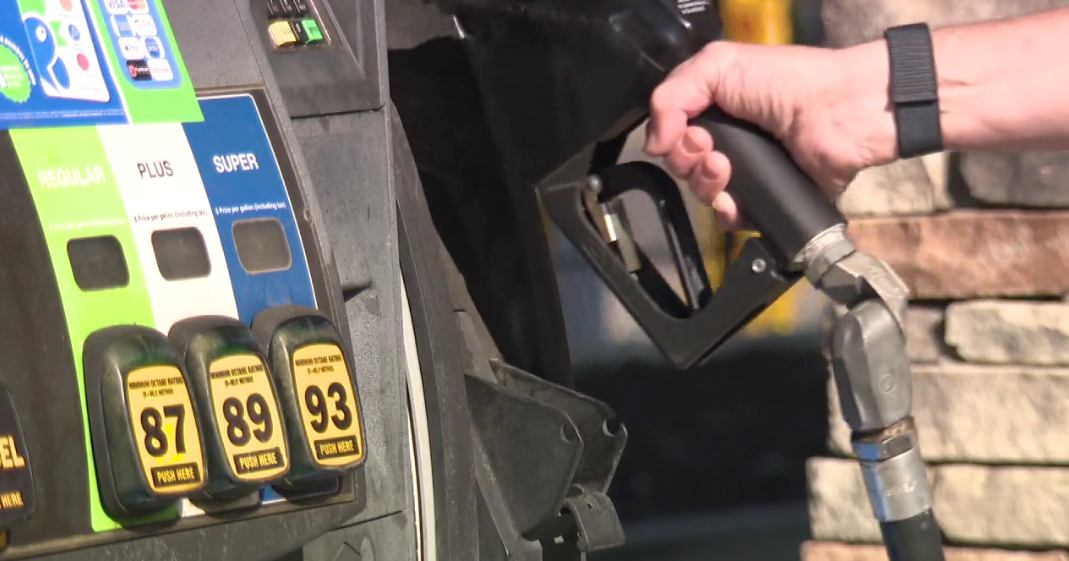
According to economists interviewed by CBS News, benchmark Brent crude recently traded around $105 a barrel, about 44% higher than before the war. Average U.S. gas prices have risen by more than $1 per gallon since the conflict began, reaching $4.06 as of Friday, according to AAA data. Moody’s Analytics chief economist Mark Zandi said, “There’s no going back on oil prices, at least not any time in the near future.”
Zandi added that damage to Middle Eastern energy facilities means oil production will take time to return to prewar levels of roughly 100 million barrels a day. He warned that higher diesel costs will ripple through supply chains, noting, “Anything that’s put on a truck is going to cost more. That goes from groceries to Amazon packages.”
Inflation has already picked up. The Consumer Price Index rose 3.3% over the past year in March, the highest since May 2024, largely driven by energy costs, according to figures cited in the report. Another key gauge, the Personal Consumption Expenditures price index, increased 2.8% in February and could reach 4% by year-end, said Scott Lincicome of the Cato Institute, who cautioned, “Consumers, of course, want deflation, and we’re definitely not getting that.”
Consumer spending, which makes up about 70% of U.S. gross domestic product, is the main channel through which economists expect the war to weigh on growth. EY-Parthenon chief economist Gregory Daco estimates the conflict could shave about 0.3 percentage points from GDP in 2026, lowering growth to 1.8% from 2.1% in 2025. Economist Lydia Boussour of EY-Parthenon said “full normalization will still take time,” citing lingering effects on supply chains, energy capacity, and household demand.
The White House has emphasized resilience rather than weakness. Spokesperson Kush Desai said President Trump has long warned of “temporary disruptions” from Operation Epic Fury, the U.S. military campaign against Iran, but argued that “the American economy remains on a solid trajectory” due to the administration’s policies. Desai pointed to strong private-sector job gains in March and easing core inflation even as headline prices rise.
What It Means for You
For most households, the immediate impact is higher day-to-day costs. Economists cited in the report say even under optimistic scenarios, gas might only ease to about $3.50 a gallon by year-end, still well above the prewar average of $2.98. Air travel and shipping are also becoming more expensive as jet fuel and diesel prices rise, raising the cost of vacations, online shopping, and basic goods.
Food prices may also face renewed pressure. The conflict is constraining natural gas supplies, a key input for fertilizer, and the International Energy Agency expects tight global gas markets for up to two years. Some of these higher costs may be absorbed by wholesalers and retailers, but economist Scott Lincicome said, “it’s going to be some” pass-through to consumers, not none. Watching fuel, airfare, and grocery bills in the coming months will offer a practical gauge of how the war is affecting your own budget.
How are higher fuel and everyday prices changing the choices you make about work, travel, and spending this year?
Sources
CBS News MoneyWatch report by Mary Cunningham, published April 27, 2026; Statements and data cited in that report from Moody’s Analytics, EY-Parthenon, Cato Institute, AAA, the International Energy Agency, and the White House, March-April 2026.