TL;DR
A national broadcaster’s investigation found men covertly filming women on nights out and uploading the clips as “nightlife” videos, generating billions of views and ad revenue, often without the women’s knowledge or consent.
Why This Matters
The findings highlight a growing clash between everyday privacy and the reach of social media. What used to be a night out with friends can now be recorded, edited and broadcast globally in seconds, often without the subject ever knowing. For women and girls, especially, this can create a lasting sense of vulnerability in ordinary public spaces such as city centers, bars and sidewalks.
In the United Kingdom and many other countries, laws already exist against voyeuristic recording and so-called “upskirting”, which the UK made a specific criminal offense in 2019, according to government legal guidance. But enforcement is difficult when content is captured in crowds, uploaded across multiple platforms and watched millions of times before anyone complains.
The investigation also raises questions for major platforms that host this material. Companies, including large video and social networks, say they ban non-consensual sexualized content and will remove it when reported. Yet the scale uncovered here – more than three billion views over three years, across dozens of channels – suggests gaps between stated policies and practical oversight.
Key Facts & Quotes
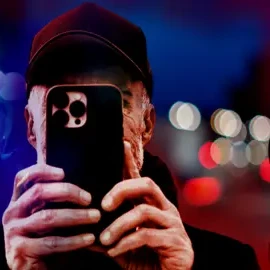
According to the investigation by a UK public broadcaster’s news team, men have been recording women on nights out and posting the footage on YouTube, TikTok, Facebook and Instagram under labels such as “walking tours” or “nightlife content”. In practice, the clips focus largely on women in dresses and skirts, frequently filmed from behind or from low angles that can reveal intimate parts of the body.
Reporters said they identified more than 65 channels sharing this kind of material. Combined, their videos have drawn over three billion views in the past three years and feature nightlife in cities including London, Oslo, Miami, Bangkok and Manchester. Manchester was described as one of the most popular locations.
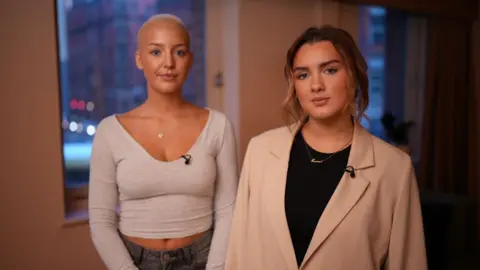
The team tracked down nearly 50 women who appeared in the footage. Many told the broadcaster they had no idea they had been filmed until someone else spotted them online. One 21-year-old woman, recorded from a low angle that exposed up her skirt, said seeing herself uploaded without consent had left her “feeling paranoid whenever she leaves her home”. Others spoke of humiliation and fear that relatives or employers might see the clips.
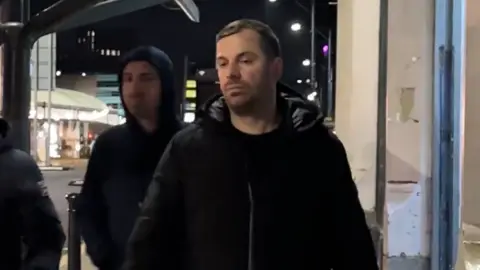
Undercover filming by the reporters in Manchester documented men covertly recording women on a night out and linked some of the activity to 12 online accounts. Two brothers, named as Florjan and Roland Reka, were among those running channels that prominently feature women in their thumbnails and videos, according to the same report. The story did not state that the individuals had been charged with any offense, and platform responses were not detailed in the material provided.
What It Means for You
For most readers, the latest update is a reminder that being in a public place no longer guarantees practical anonymity. Anyone walking through a nightlife district, waiting at a bus stop or standing outside a bar can be filmed and potentially broadcast to a global audience, even if they never interact with the person holding the phone.
If you or someone you know appears in unwanted footage, consumer and legal advocates recommend taking screenshots, noting links and dates, and using platforms’ reporting tools to request removal. In countries like the UK, police guidance says victims of upskirting or other voyeuristic recording can report it as a potential criminal matter, especially when intimate areas are targeted.
Looking ahead, lawmakers and regulators may face pressure to clarify how existing privacy and harassment laws apply to mass online “nightlife” channels, and platforms may come under increased scrutiny over how quickly they act on non-consensual content. Parents, caregivers and older family members may also want to discuss these risks with younger relatives who spend more time in busy nightlife areas.
Sources
Primary information from a UK public broadcaster’s investigative report on covert nightlife filming, published February 2, 2026. Legal context on voyeurism and upskirting offenses drawn from UK government and Crown Prosecution Service guidance updated between 2019 and 2023.
Question for readers: How should laws and social media rules balance public filming with individuals’ right not to be sexualized or broadcast without consent?