TL;DR
Anthropic CEO Dario Amodei is pushing back after the Pentagon labeled his firm a national security supply chain risk, saying the company will not support domestic mass surveillance or fully autonomous weapons.
Why This Matters
The clash between Anthropic, a leading artificial intelligence company, and the U.S. defense establishment highlights a fast-emerging fault line: who sets the rules for powerful new technologies. As militaries worldwide race to integrate AI into planning, cyber defense, and battlefield systems, private firms are being asked to provide tools that can dramatically shift how wars are fought.
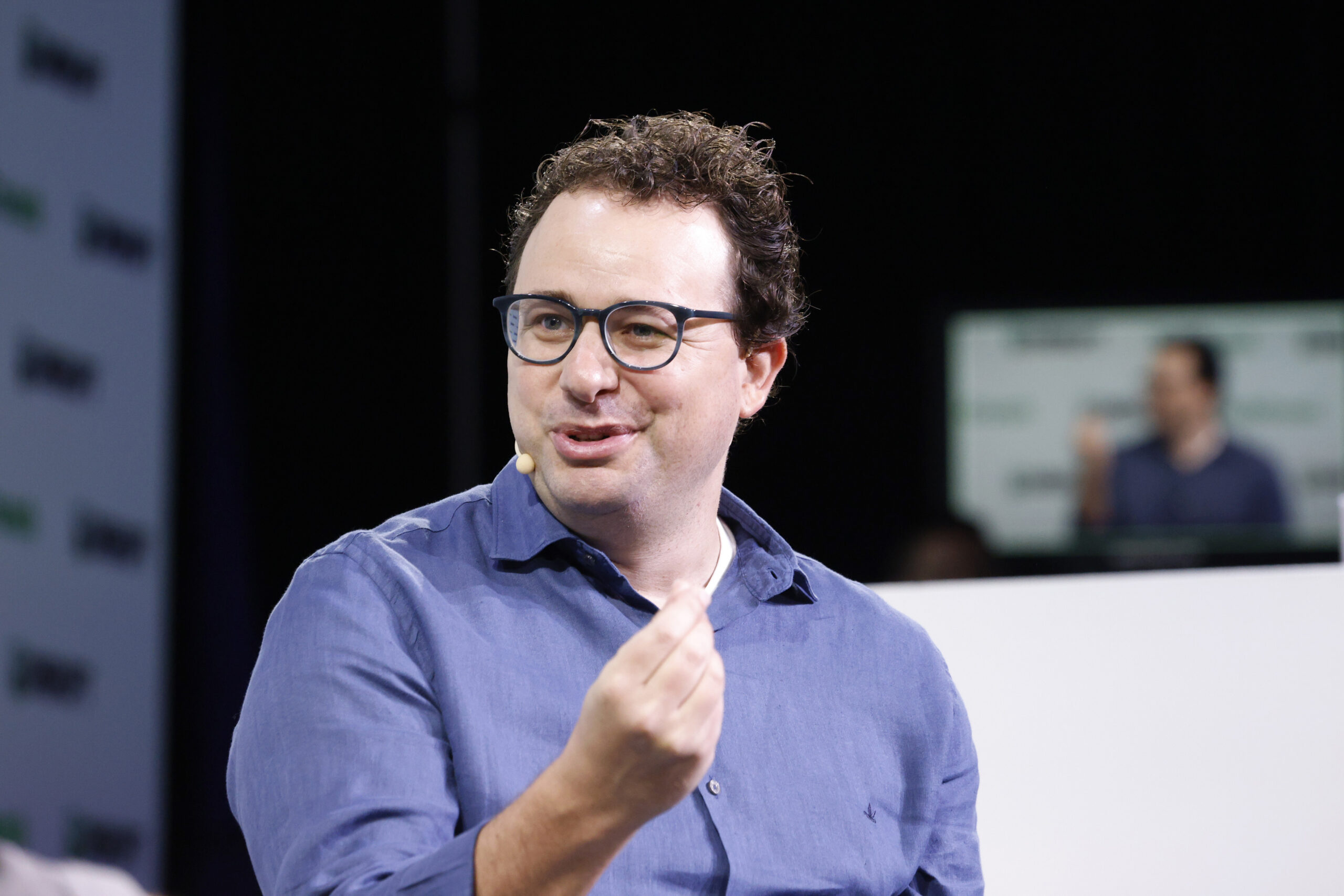
In a televised interview Friday, Amodei argued that companies like his must draw clear lines around how their products are used, particularly when it comes to watching citizens at scale or delegating lethal decisions to machines. Those concerns echo ongoing debates in Washington and in allied capitals over AI-enabled targeting, facial recognition, and data collection.
🚨 TRUMP BANS ANTHROPIC.
First-ever US government ban on an AI company.
The Pentagon feud just went nuclear. Dario Amodei vs DOD. Federal agencies must cease ALL Anthropic use.
This is unprecedented.
What do you think happens next? 🧵#AI #Anthropic #Trump pic.twitter.com/oYBVedQPcg
— ClawMax (@ClawMax79425) February 28, 2026
The Pentagon has previously outlined ethical principles for AI use, including responsible and accountable deployment, but enforcement remains a challenge. The latest update in this dispute raises broader questions about whether governments or technology makers will ultimately have the final say on the most sensitive applications of AI, a top story in global news and national security circles.
Key Facts & Quotes
The interview took place just hours after Defense Secretary Pete Hegseth declared Anthropic a “supply chain risk to national security,” a move that restricts military contractors from doing business with the company, according to the on-air introduction. The designation effectively walls Anthropic off from many Pentagon-funded projects, even as U.S. agencies seek cutting-edge AI systems.
Amodei stressed Anthropic’s history of working with national security customers, saying the company was “the first” to place its models on the classified cloud and to build custom models for defense uses. However, he drew a hard line on two scenarios. “The two use cases we have concerns about are domestic mass surveillance and fully autonomous weapons,” he said, describing those as incompatible with democratic values.
He added that Anthropic has offered to collaborate with the Department of War in a controlled “sandbox” environment to test sensitive capabilities while public safeguards are debated. Amodei said the government’s three-day ultimatum and the new risk designation “complicate things” and could, in the short term, interrupt AI services to U.S. warfighters. “We believe the private sector should balance national security with American democratic values,” he said.
What It Means for You
For most Americans, this dispute is a window into how quietly but quickly AI is being woven into defense, surveillance, and public-sector systems. The outcome could shape how much control technology firms have over where their tools go, and how strongly civil liberties are protected as governments adopt new software.
In practical terms, readers can expect more public debate over AI oversight, from data privacy rules to limits on autonomous weapons. Lawmakers may face growing pressure to clarify what is allowed, while allies watch how the United States balances security and rights. As these negotiations unfold, do you think private companies should be able to refuse certain military uses of their technology, even when national security officials disagree?
Sources: National television interview with Anthropic CEO Dario Amodei, aired Feb. 28, 2026; U.S. Department of Defense, “Ethical Principles for Artificial Intelligence,” Feb. 24, 2020; Anthropic company materials describing its AI safety and governance approach (2021-2023).