TL;DR
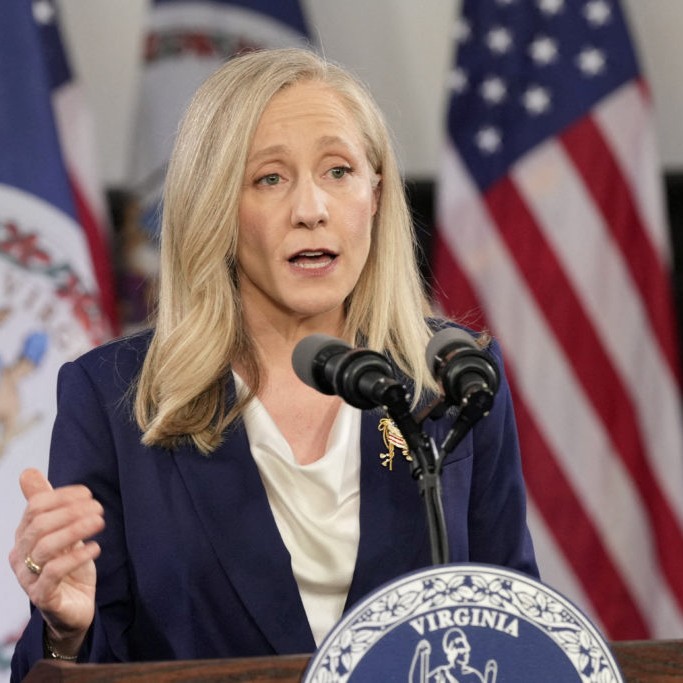
Virginia Gov. Abigail Spanberger counters Trump’s State of the Union, arguing his policies have increased everyday costs rather than easing financial pressure on families.
Why This Matters
The clash between President Donald Trump and Virginia Gov. Abigail Spanberger over who is easing Americans’ financial strain shows how central affordability has become to national politics. After several years of higher prices for food, housing, and medical care, both parties are working to convince voters they are best positioned to lower everyday costs. The State of the Union address and the opposition party’s formal response are among the most-watched political moments each year, helping shape public opinion ahead of the 2026 midterm elections.
Spanberger’s speech, delivered as the official Democratic reply, also underscores her rising profile inside her party. As Virginia’s first woman governor and a former member of Congress, she is now one of the more visible Democratic voices on the economy and household budgets. Her argument that Trump has not made life more affordable sets up a clear contrast that voters are likely to hear repeatedly in campaign messages, town halls, and fundraising appeals in the months ahead.
Key Facts & Quotes
Speaking on Tuesday in the nationally televised Democratic response, Spanberger said Americans “did not hear the truth” from Trump’s State of the Union address. She argued that the president’s policies on health care, housing, and other daily needs “haven’t made life more affordable” and said Democrats have been “laser-focused on affordability” in communities across the country. “Americans deserve to know that their leaders are focused on addressing the problems that keep them up at night,” she said, citing concerns such as rent, small-business costs, and prescription drugs.
In his address to Congress, Trump highlighted what he described as efforts in his second term to lower costs, including reducing certain health care expenses, according to an official transcript released by the White House. He blamed Democrats for earlier spikes in inflation and framed his agenda as a course correction. Spanberger disputed that framing, asking viewers, “Is the president working to make life more affordable for you and your family? We all know the answer is no.”
Spanberger, a Democrat and vocal Trump critic, was elected Virginia’s first woman governor in an off-cycle election last November, according to certified state results. That vote featured a series of Democratic gains in competitive races and was widely viewed by political analysts as a warning sign for Republicans heading into the next midterm campaign. Her role in delivering the response now places her at the center of a broader debate over which party has the stronger plan to address household costs.
What It Means for You
For many households, the exchange between Trump and Spanberger is less about political theater and more about who offers concrete relief on bills that arrive every month. Both sides are signaling that issues like rent, mortgages, child care, medical costs, and groceries will be at the heart of their 2026 messages. Voters may see more detailed proposals on insurance coverage, prescription pricing, tax credits, and housing supply as each party tries to claim the mantle of affordability.
For people in midlife or nearing retirement, policy choices on health care, Social Security, and long-term care will be especially important to watch. The latest update from Washington reinforces that elections will likely turn on how credible each side’s answers seem to those everyday questions Spanberger cited: where you live, whether you can start or keep a business, and whether you can fill a prescription without cutting back on food.
How do you weigh leaders’ promises on affordability when deciding which policies or candidates to support?
Sources: Based on the televised Democratic response by Gov. Abigail Spanberger and President Donald Trump’s 2026 State of the Union address, as well as an official transcript released by the White House on Feb. 24, 2026, and certified 2025 gubernatorial election results from Virginia state authorities.