TL;DR
Former DEA agent Joseph Bongiovanni was sentenced to five years in federal prison for obstructing investigations and protecting Buffalo-area drug traffickers, following mixed jury verdicts on corruption charges.
Why This Matters
The sentencing of Joseph Bongiovanni, a one-time decorated Drug Enforcement Administration agent, highlights a rare but serious threat to public trust: corruption from inside law enforcement. When an officer with access to sensitive intelligence protects drug traffickers instead of pursuing them, it can undermine years of work by honest agents, weaken criminal cases, and allow dangerous networks to grow.
The case comes as the DEA faces scrutiny over a series of corruption scandals nationwide. According to federal prosecutors and court records, at least 17 DEA agents have faced federal charges over the past decade, ranging from money laundering to providing support to cartels. For communities already strained by the opioid and fentanyl crises, news that an experienced agent allegedly tipped off traffickers and diverted investigations raises broader questions about oversight and accountability.
The Bongiovanni case also connects to organized crime, sex trafficking investigations, and prior misconduct claims within federal drug enforcement, giving it significance beyond Western New York. For many Americans, it feeds into a larger debate over how to balance strong enforcement with strong internal controls on those who carry the badge.
Key Facts & Quotes
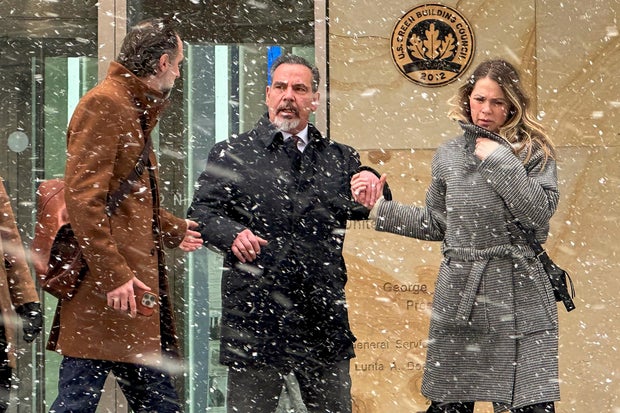
Joseph Bongiovanni, 61, spent roughly two decades with the U.S. Drug Enforcement Administration, often serving as the “lead breacher” on high-risk raids. On Wednesday in Buffalo, U.S. District Judge Lawrence J. Vilardo sentenced him to five years in federal prison on multiple corruption-related counts, according to courtroom proceedings described in federal court records and in open court.
A jury in 2024 convicted Bongiovanni on charges including obstruction of justice, conspiracy to defraud the United States, conspiracy to distribute controlled substances, and making false statements to law enforcement. He was acquitted of some of the most serious allegations, including a claim that he accepted $250,000 in Mafia bribes, which helped reduce his potential sentence from the 15 years sought by prosecutors.
Ex-DEA agent gets 5 years in prison after ‘dark secret’ was exposed https://t.co/zt8j4joMMO pic.twitter.com/MRp6u25Odh
— The Independent (@Independent) January 21, 2026
Prosecutors said that for about 11 years, Bongiovanni used his badge to shield childhood friends who became prolific drug traffickers in the Buffalo area. According to a Justice Department news release, he allegedly helped former schoolteacher Michael Masecchia, described as having ties to Italian organized crime, and others moving large quantities of marijuana, cocaine and fentanyl. Masecchia has already been sentenced to seven years in prison.
Authorities said Bongiovanni provided “law enforcement-sensitive information about the existence of investigations, the identities of informants, and about sensitive law enforcement techniques and tactics,” undermining ongoing cases. Prosecutors accused him of filing false DEA reports, stealing files, diverting colleagues from Italian suspects toward Black and Hispanic communities, and protecting a strip club later tied to sex trafficking.
The case was linked to the Pharaoh’s Gentlemen’s Club outside Buffalo, whose owner, Peter Gerace Jr., a childhood friend of Bongiovanni, was separately convicted of sex trafficking conspiracy and of bribing Bongiovanni. The broader investigation saw dramatic turns, including an implicated judge who died by suicide after an FBI search and allegations of witness intimidation.
Assistant U.S. Attorney Joseph Tripi told the court, “His conduct shook the foundation of law enforcement – and this community – to its core.” DEA northeast associate chief of operations Frank Tarentino said in a statement that the sentence “sends a powerful message that those who betray their badge will be held accountable to the fullest extent of the law.”
The case was compared in court to that of Jose Irizarry, a former DEA agent now serving a 12-year sentence after admitting to laundering money for Colombian drug cartels. Other past scandals have included agents accused of cartel-funded “sex parties” abroad, according to a Justice Department Inspector General report.
What It Means for You
For most readers, this case will not change day-to-day interactions with law enforcement. But it does touch on how federal agencies are policed from within, and how reliably they can target major drug traffickers at a time when fentanyl deaths remain a top public health concern in the United States.
Cases like Bongiovanni’s may lead to tighter internal oversight, more audits of sensitive databases, and stronger whistleblower protections within federal agencies. That could affect how quickly and effectively investigations move forward in communities across the country.
For people in western New York, the case may influence public confidence in future drug and organized-crime prosecutions, especially those involving informants and confidential sources. Nationally, lawmakers and watchdogs may look to this and similar prosecutions as they debate reforms to federal law enforcement and the resources needed to monitor misconduct.
Sources: Sentencing remarks and charging details described in federal court proceedings; U.S. Department of Justice news releases on the Bongiovanni, Masecchia and related DEA corruption cases; reporting by The Associated Press dated Jan. 21, 2026.
What do you think is most important to restore and maintain public trust when law enforcement officers themselves are convicted of serious crimes?