Why This Matters
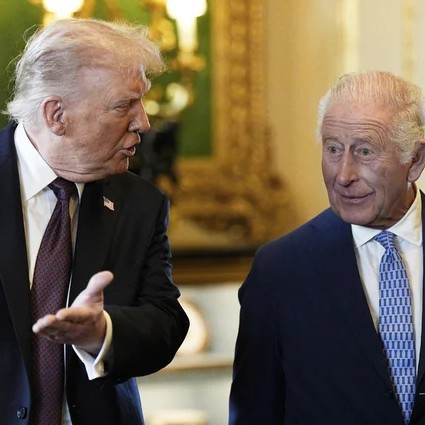
King Charles III and Queen Camilla arrive in Washington this week for their first U.S. visit since his accession, meeting President Donald Trump and other leaders at a sensitive moment for both countries. The trip marks the 250th anniversary of the Declaration of Independence, tying a historic milestone to a modern test of the so-called special relationship.
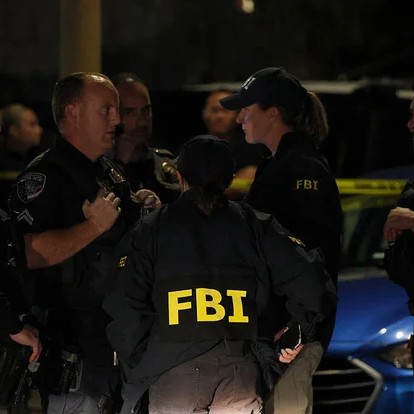
The visit comes just days after an attempted shooting near the White House Correspondents’ Dinner, where the president, vice president, and Cabinet members were present. While officials have not detailed specific security changes, the incident has sharpened focus on how high-level events in the capital are protected.
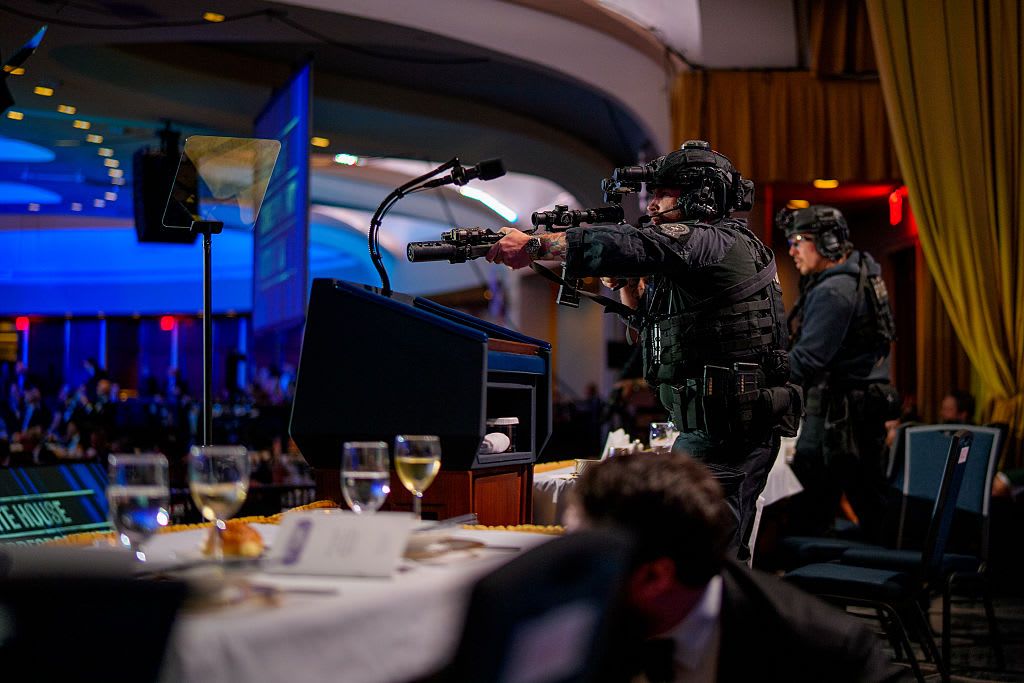
Beyond security, the meetings unfold against a backdrop of U.S. military action against Iran and sharp debate over NATO and allied cooperation. How the two leaders present their shared agenda will be closely watched in European capitals and by American lawmakers weighing future defense and foreign policy decisions.
Key Facts and Quotes
The palace confirmed Sunday that the U.S. trip “will proceed as planned,” adding that the king and queen are “most grateful to all those who have worked at pace to ensure this remains the case” and are looking forward to the visit. They are expected to land in Washington on Monday afternoon.
On arrival, King Charles and Queen Camilla will take part in a private tea with President Trump and First Lady Melania Trump, followed by a garden gathering. A formal welcome ceremony, including a ceremonial military review on the White House grounds, is scheduled before a bilateral meeting between the king and the president. The queen and first lady will hold a separate meeting at the same time, according to the palace schedule.
The king is set to address a joint meeting of Congress on Tuesday, followed by a state dinner at the White House that evening. The royal couple then plans to travel to New York to honor victims of the September 11 attacks, and later to Virginia for additional events tied to the shared history of the two nations.
Max Bergmann, who leads the Europe, Russia, and Eurasia program at the Center for Strategic and International Studies, said he expects the king’s speech to lawmakers to be largely historical in tone. He predicted it would acknowledge that the United States was born from a revolution against British rule and then highlight how the two countries “have sort of overcome that.” Bergmann added that one question is whether Charles will allude to shared commitments to human rights and freedoms in a way that might be interpreted as a subtle critique of current U.S. policy, noting that many in Britain are wary of appearing overly deferential to Washington.
What It Means for You
For Americans, the visit is a reminder that ties with the United Kingdom extend beyond any single president or monarch, rooted in defense cooperation, intelligence sharing, trade, and cultural links. Signals sent this week on NATO, Iran, and democratic values may influence how Congress and the White House approach alliance commitments and global crises in the months ahead.
Viewers can expect heavy media coverage of the ceremonial moments, but the substance will emerge in the king’s address to Congress and in any joint statements on security and foreign policy. Those watching for practical outcomes should look for references to military cooperation, commitments to democracy and human rights, and any new language on how Washington and London plan to manage tensions with Iran and within NATO.
When you look at this visit, do you see royal diplomacy as mostly symbolic, or do you think it still meaningfully shapes how close allies work together?
Sources
Buckingham Palace public statement on upcoming U.S. visit, April 26, 2026; Reporting and on-the-record comments by Max Bergmann of the Center for Strategic and International Studies as carried in CBS News coverage, updated April 27, 2026; Public schedules released by U.S. and U.K. officials for the Washington, New York, and Virginia events.