Why This Matters
A rare, high-profile meeting between the Archbishop of Canterbury and the Pope has highlighted a shared rejection of war at a moment of sharp global tension. Their joint emphasis on justice and peace comes amid an uneasy ceasefire between Iran and Washington and amid heated rhetoric from Washington.
The encounter also underscores how relations between the Church of England and the Roman Catholic Church have shifted since centuries of division after the Reformation. Symbolic gestures, such as shared prayer and invitations to visit, are seen by church leaders as steps toward greater Christian unity.
For political leaders, the Vatican’s stance can carry weight with millions of believers worldwide. When both the Pope and the head of the Church of England speak out together, it can shape public opinion on armed conflict, humanitarian costs, and what a just foreign policy should look like.
Key Facts and Quotes
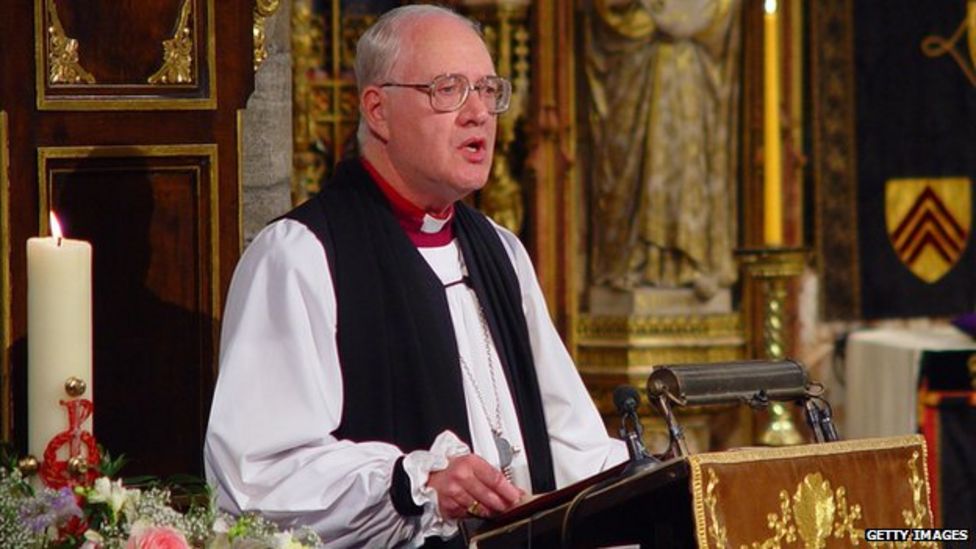
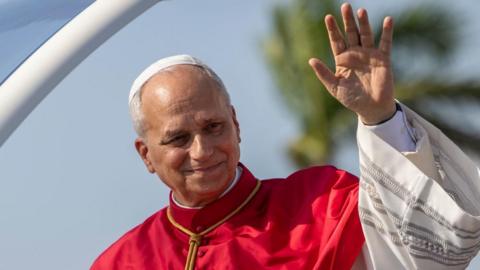
Dame Sarah Mullally, the Archbishop of Canterbury and the first woman to lead the Church of England, met Pope Leo at the Apostolic Palace in the Vatican on Monday, according to a report from BBC News. After private talks, she praised him for speaking out against injustice and said the two were united in prayer for justice and for “peace in our world.”
The meeting followed Pope Leo’s comments earlier this month in Cameroon, where he warned that the world is being “ravaged by a handful of tyrants” and criticized the human and economic cost of war. He vowed then, and again in Rome, to “speak out loudly against war” and to promote peace.
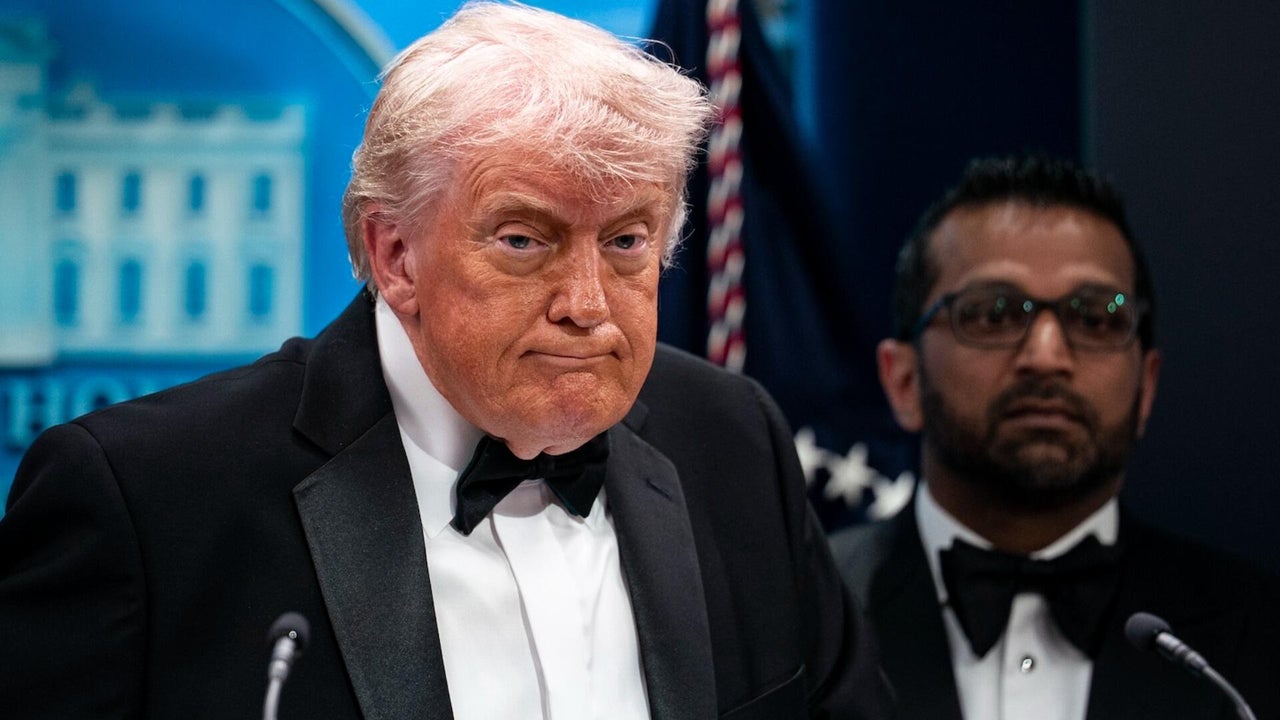
The Vatican visit came just weeks after U.S. President Donald Trump publicly accused the Pope of being “weak on crime and terrible for foreign policy.\” The criticism followed Pope Leo’s concerns over Trump’s earlier threat that “a whole civilization will die” if Iran did not meet U.S. demands to end the war and reopen the Strait of Hormuz, a crisis that eased after a ceasefire deal.
Dame Sarah told the Pope that King Charles III had “valued his recent visit,” referring to an earlier occasion when the monarch and the pontiff prayed together. That event was reported as the first time a British monarch had joined the head of the Catholic Church in a public service since the Reformation. She assured the Pope of “a warm welcome from the Church of England\” should he visit the United Kingdom and described his recent four-country trip to Africa as “full of life and joy.”
What It Means for You
For Americans and others watching global events, this latest update from Rome highlights how religious leaders can become prominent voices in debates over war, sanctions, and international pressure campaigns. Their moral framing does not set policy, but it can influence voters, diplomats, and grassroots groups on when or whether to use force.
Observers will be watching to see whether the Vatican and Church of England deepen their public cooperation on conflict, poverty, and climate, and how political leaders respond to continued criticism of war. Any future papal visit to the UK, and any new statements on the Iran ceasefire, could offer further clues about the role churches intend to play in global peace efforts.
How much influence do you think religious leaders should have on public debates about war and peace today?
Sources
BBC News report by Ella Kipling on Dame Sarah Mullally’s Vatican visit, 27 April 2026; Historical background on Anglican-Catholic relations from public statements and documents of the Church of England and the Vatican, accessed before October 2024.