Why This Matters
Russia’s war in Ukraine is now in its fifth year, and even short ceasefires tied to major religious holidays are watched as rare chances to reduce violence. Reports that drone strikes have continued during an Orthodox Easter truce highlight how limited these pauses can be, even when political leaders endorse them.
Orthodox Easter is one of the most important holidays in both countries, meant to be a time of safety and worship. The same weekend has also seen significant prisoner exchanges and the return of civilians, showing how modest humanitarian steps can coexist with ongoing front-line attacks.
Key Facts and Quotes
Russian President Vladimir Putin announced a 32-hour ceasefire for Orthodox Easter, ordering forces to halt hostilities from 4 p.m. Saturday until late Sunday, according to the Kremlin. Ukrainian President Volodymyr Zelenskyy said Ukraine would honor the pause as a step toward peace, but warned that any breach would draw a swift response.
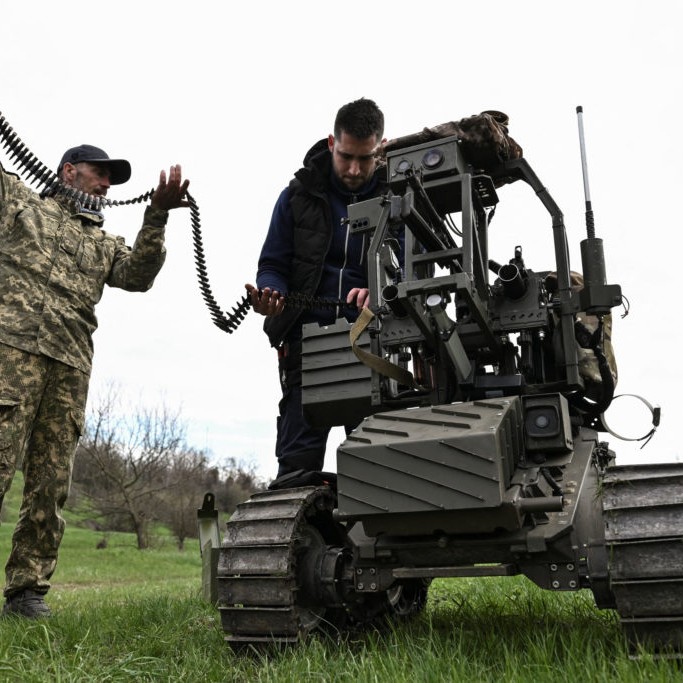
Soon after the truce began, Ukrainian officer Serhii Kolesnychenko of the 148th Separate Artillery Brigade said Russian artillery in his sector had largely gone quiet but that “drones are still striking our positions.” He added that Ukrainian troops would respond “with silence to silence and with fire to fire,” signaling they would not ignore continuing attacks.
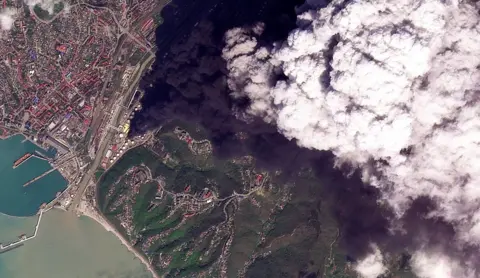
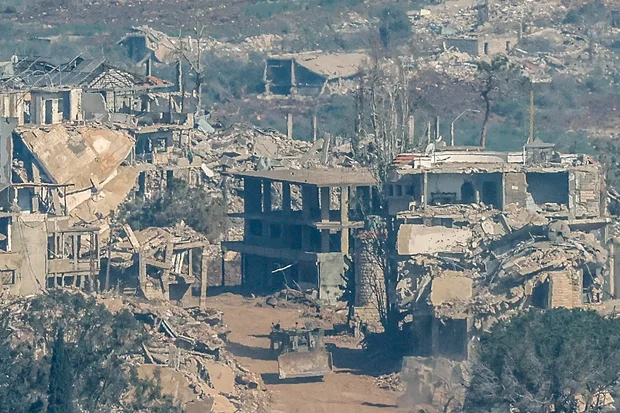
Hours before the ceasefire was due to start, officials in Odesa reported that Russian drones struck a residential area of the Black Sea port city, killing at least two people and injuring two more. Apartment buildings, homes, and a kindergarten were damaged. Ukraine’s Air Force said Russia launched about 160 drones overnight and that 133 were shot down or intercepted.
Russia’s Defense Ministry gave its own account, saying air defenses destroyed 99 Ukrainian drones over Russia and occupied Crimea during the same period. Moscow described the ceasefire as a humanitarian gesture but repeated that any broader peace settlement must meet its long-standing demands, a position that has stalled negotiations for months.
Despite the disputes, both sides carried out a major prisoner swap on Saturday. Russia’s Defense Ministry said 175 Russian soldiers returned home, while Zelenskyy reported that Ukraine had received 175 servicemen, many of whom had been held since 2022. “They are finally home,” he wrote on X, as families like Svitlana Pohosyan’s waited anxiously at exchange points.
Russian officials also said seven civilians from the border region of Kursk, captured during a Ukrainian raid in 2024, were handed back at the Belarus-Ukrainian frontier. Russia’s human rights commissioner, Tatyana Moskalkova, said they were the last residents taken when Ukrainian forces briefly seized parts of Kursk in August 2024, a rare incursion onto Russian territory.
What It Means for You
The fragile Orthodox Easter truce is another sign of how difficult it will be to reach a durable peace deal. The use of drones and other long-range weapons during declared pauses increases the risk of miscalculation, civilian casualties, and renewed heavy fighting, even when artillery fire eases.
For people outside the region, the latest developments matter because the conflict continues to shape global energy prices, defense budgets, and U.S. and European foreign policy. How Russia and Ukraine handle limited ceasefires and prisoner exchanges will help determine whether the war grinds on at its current pace or moves, however slowly, toward more sustained talks.
In long-running conflicts like this, what do you think most helps turn short, fragile ceasefires into steps toward a more lasting peace?
Sources
Associated Press reporting via PBS NewsHour, April 11, 2026; Statements from Ukrainian Air Force officials, April 11, 2026; Statements from the Russian Defense Ministry, April 11, 2026; Public remarks and social media posts by President Volodymyr Zelenskyy, April 11, 2026.