Why This Matters
Parents are being urged to treat children’s online privacy like road safety, making it a basic life skill. The call comes from the UK’s Information Commissioner’s Office (ICO), the national data watchdog, which says families should have regular conversations about what children share online, as social media, gaming, and new tools become more central to childhood.
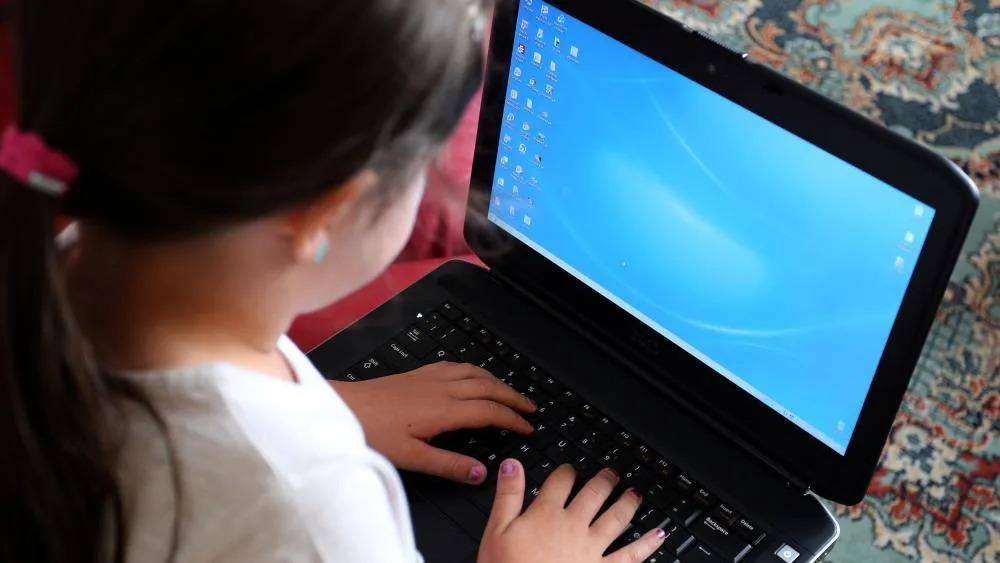
The ICO’s new campaign is aimed at UK families, but the concerns are familiar in many countries, including the United States. Young children are going online earlier, often using tablets and game consoles, yet their understanding of how data is collected and used is limited compared with that of the adults designing those services.
The research highlights a gap between how often parents talk about screen time and how rarely they discuss privacy, even as children use chat features, location tools, and artificial intelligence systems. Regulators and child advocates warn that choices made in elementary school can leave long-lasting digital footprints.
Key Facts and Quotes
In a February survey of 1,000 UK parents with children aged four to eleven, three in four said they were not confident their child could make safe decisions about online privacy, according to the ICO. In response, the watchdog launched a campaign comparing privacy lessons to teaching “stranger danger” or crossing the street.
The survey found that many parents believe their children would trade information for rewards. Thirty-five percent said they thought their child would share personal details in exchange for game tokens or similar perks. The ICO reported that 22% of children had shared sensitive information such as health details with AI tools, and 24% had posted their real name or home address online, with eight- and nine-year-olds seen as especially exposed.
The study also pointed to a communication gap at home. Twenty-one percent of parents said they had never spoken to their children about online privacy, and 38% said they raised it less than once a month, the ICO found. By contrast, 90% reported discussing screen time in the past month. ICO deputy commissioner Emily Keaney said many families had “never been shown how to talk to their children about online privacy,” calling for a broader “whole society approach.”
Justine Roberts, founder of Mumsnet, a large UK online forum for parents, said in the campaign materials that privacy is often overshadowed by more visible concerns. “Many parents are already talking to their children about harmful content or screen time, but privacy often gets overlooked,” she said, adding that families are seeking clear, practical guidance to start those conversations.
Dame Rachel de Souza, the children’s commissioner for England, said, “Too often we are playing catch-up,” and stressed the value of everyday talks about what to do if something online feels uncomfortable. The ICO defines children’s online privacy broadly, covering names, ages, and addresses as well as photos, browsing history, voice notes, social media posts, and gaming activity.
What It Means for You
For parents and grandparents, the findings suggest that privacy can be woven into existing safety talks rather than treated as a separate, technical subject. The ICO’s guidance encourages simple steps, such as asking children before they post photos of others, explaining why they should be cautious about sharing real names and locations, and checking together how privacy settings work on favorite games and apps.
Regulators in Europe and the United States have been paying closer attention to how technology companies collect and use children’s data, and more rules could follow. For now, officials involved in the UK campaign say the most immediate change can happen at home, with small, frequent conversations that help children see online privacy as part of everyday life, much like looking both ways before crossing the street.
How often do you talk with the children in your life about what they share online, and what has made those conversations easier or harder?
Sources
Information Commissioner’s Office (UK) parent survey and campaign materials on children’s online privacy, February-April 2026; BBC News technology report by Jessica Rawnsley on the ICO online privacy campaign, April 6, 2026.