Why This Matters
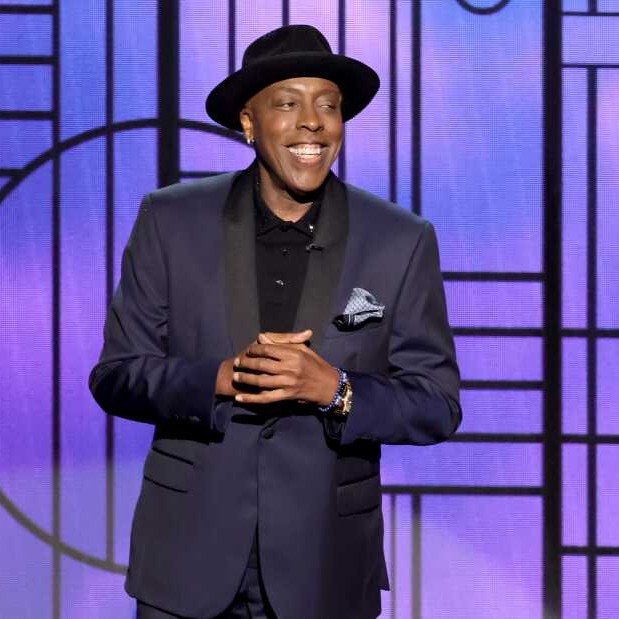
Arsenio Hall, one of the most recognizable figures in late-night television in the late 1980s and early 1990s, is revisiting his career in a new memoir titled “Arsenio.” The book reflects on how his show reshaped what viewers saw and who they saw on late-night TV.
Hall says his original dream came from watching “The Tonight Show Starring Johnny Carson” as a child in Cleveland and noticing how rarely minority performers appeared. He recalls thinking he could watch for weeks “and maybe never see a minority perform,” and wanted to “show the other side of show business.”
His reflections come at a time when conversations about representation in media, the history of HIV stigma, and LGBTQ visibility continue to evolve. Hall’s account offers a first-hand look at how those debates played out on one of the most-watched stages in America.
Key Facts and Quotes
“The Arsenio Hall Show” ran in syndication from 1989 to 1994 and quickly became a major late-night player. At its peak, it aired on nearly 200 stations and ranked second in late-night ratings behind Hall’s idol, Johnny Carson, according to Hall’s new interview about the memoir.
The show became a backdrop for cultural moments that still resonate. In 1991, Hall’s friend Earvin “Magic” Johnson chose his couch for his first extended TV conversation after announcing his HIV diagnosis. Hall remembers Johnson saying, “I want people to still give me my hugs,” and recalls hugging him on air to show viewers they did not need to be afraid.
That same era saw a 6-year-old Bruno Mars win a week of free groceries with an Elvis Presley impression, and then-presidential candidate Bill Clinton famously playing the saxophone on Hall’s stage in 1992. Hall argues these moments helped expose mainstream audiences to performers and stories they might not otherwise have seen.
Behind the scenes, Hall says he was criticized from multiple directions. He recalls white audiences feeling the show was “too Black,” while some Black viewers felt it was not Black enough. “In America, you’re never gonna be No. 1 if you have this insatiable desire to do Toni Braxton instead of Dolly Parton,” he says, explaining he tried to “mix it up” with both.
Hall also revisits a 1990 confrontation with activists from Queer Nation, who accused him of not booking enough openly gay guests. He says many of his staff and frequent guests were gay but not publicly out, and felt he could not reveal their identities. Frustrated at being told the show was not Black enough, not white enough, and then anti-gay, he recalls, “Everyone wanted it to be something else. It’s hard being the first Black anything in late night.”
By 1994, facing new competition from David Letterman and shifting affiliate loyalties, Hall decided to leave while still successful. He says he believed he “couldn’t go any higher” and wanted to “go out on the top.” Looking back, he credits timing as much as talent and hard work, saying that if his show had started a decade earlier or later, “it wouldn’t work.”
What It Means for You
For readers, Hall’s memoir offers more than celebrity anecdotes. It traces how a late-night program became a national stage for conversations about race, sexuality, HIV, and political image-making, often years before those topics were common in mainstream entertainment.
The book may also help viewers understand today’s media landscape, where questions about who gets to host, who gets booked, and how identity is presented remain pressing. Hall’s account of trying to bridge audiences and expectations could inform how people watch and interpret late-night television now.
What moments from late-night television have stayed with you the most, and why do you think they mattered?
Sources
Fresh Air interview with Arsenio Hall, NPR, 2026-04-06; Archival broadcast history of The Arsenio Hall Show, 1989-1994; Publisher materials for Arsenio Hall’s memoir “Arsenio” from Simon & Schuster.