TL;DR
U.S. forces carried out airstrikes in Nigeria’s Sokoto state against Islamic State-linked militants, highlighting Nigeria’s deep security crisis and strained regional stability along the Niger border.
Why This Matters
The latest update from northwest Nigeria underscores how local conflicts can quickly become global news. The U.S. strikes mark a rare, public American military intervention deep inside Africa’s most populous nation, where authorities have struggled for years to contain armed gangs and extremist groups.
Nigeria is a key economic and security partner for the United States and Europe. Instability in its north and northwest has already displaced thousands, disrupted farming and trade routes, and threatened neighboring countries such as Niger and Benin. The involvement of Islamic State-linked networks raises concerns that local banditry is evolving into more organized, transnational militancy.
For Washington, the strikes signal a willingness to use force against Islamic State affiliates beyond the Middle East, while relying on intelligence-sharing with regional partners. For Nigeria, they highlight both the value of foreign support and the limits of its own overstretched military. Analysts and officials alike say that without better governance, jobs and basic services in remote communities, armed groups will continue to find recruits and safe havens.
Key Facts & Quotes
According to Nigerian authorities, U.S. airstrikes on Thursday targeted Islamic State group militants in Sokoto state in northwest Nigeria, as part of what officials described as ongoing intelligence and strategic coordination between the two countries.
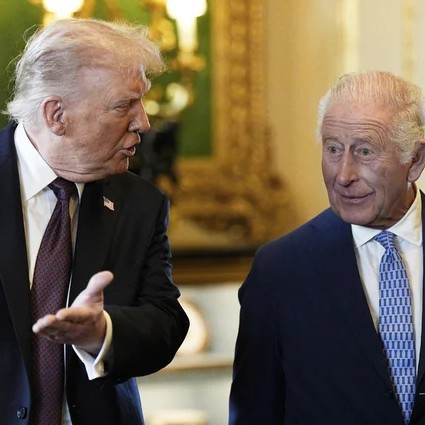
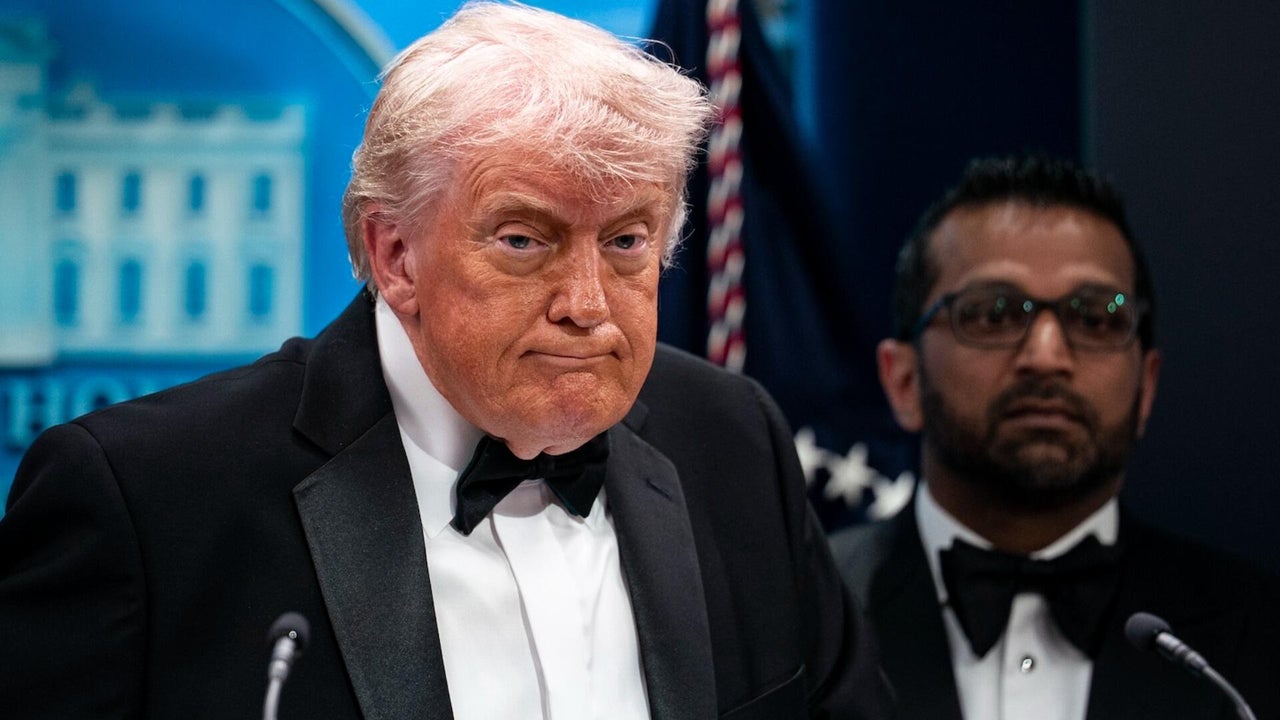
Former U.S. President Donald Trump said on social media that the “powerful and deadly” strikes hit Islamic State gunmen who were “targeting and viciously killing, primarily, innocent Christians.” However, residents and security analysts cited in the original reporting say Nigeria’s violence affects both Christians, who are more numerous in the south, and Muslims, who form the majority in the north.
The operation is believed by analysts to have focused on fighters linked to the Islamic State Sahel Province (ISSP), known locally as Lakurawa, which operates in Sokoto and neighboring Kebbi state. Lakurawa, active since around 2017, was initially invited by some traditional leaders to protect villages from bandits but “overstayed their welcome,” enforcing a harsh interpretation of Islamic law that alienated local communities, according to James Barnett, an Africa researcher with the Hudson Institute.
“Communities now openly say that Lakurawa are more oppressive and dangerous than the bandits they claim to protect them from,” said Nigerian security researcher Malik Samuel of Good Governance Africa. The group has been blamed for killings, kidnapping, rape and armed robbery. A recent report by the Armed Conflict Location & Event Data Project said ISSP has operated covertly along the Niger-Nigeria border and is now expanding toward Benin.
Auwalu Rafsanjani says the US airstrikes on Islamic State fighters in the north-west expose Nigeria’s failure to protect its citizens https://t.co/MJdWbv8zmG pic.twitter.com/JQAXlpmcwA
— ARISE NEWS (@ARISEtv) December 26, 2025
Nigeria’s military has previously said these militants have roots in neighboring Niger and became more active after a 2023 coup there weakened joint border security operations. U.S. Defense Secretary Pete Hegseth, in a brief post on X about the strikes, wrote: “More to come…” The full impact of the strikes has not yet been independently confirmed.
What It Means for You
For readers in the United States, this development is a reminder that counterterrorism and regional instability in Africa can directly shape U.S. foreign policy, military deployments and spending. Nigeria is a major oil producer and a regional hub; prolonged conflict there can ripple through global energy markets and migration patterns.
The strikes also reflect a broader shift toward targeting Islamic State affiliates in dispersed hotspots, from the Sahel to West Africa. Observers will be watching whether this becomes a one-time action or the start of a more sustained U.S. role, and whether Nigeria can pair military operations with improvements in governance, jobs and basic services in neglected rural areas.
For now, communities in northwest Nigeria remain caught between armed gangs, extremist factions and limited state protection, with children and other civilians often used as hostages, complicating any future airstrikes.
Sources
- Reporting by Chinedu Asadu for the Associated Press, published by PBS NewsHour, Dec. 26, 2025.
- Statements and analysis cited from Nigerian defense officials, security researchers James Barnett (Hudson Institute) and Malik Samuel (Good Governance Africa), and the Armed Conflict Location & Event Data Project report on ISSP operations.
Question for readers: How should the United States balance targeted military strikes abroad with the risk of becoming more deeply involved in partners’ internal security crises?