TL;DR
President Donald Trump and Vice President JD Vance joined grieving families at Dover Air Force Base for the dignified transfer of six U.S. Army Reserve soldiers killed in a drone strike in Kuwait linked to the Iran war.
Why This Matters
The return of the six fallen soldiers at Dover Air Force Base comes at a tense moment in the Middle East, underscoring the human cost of the Iran war and broader regional conflict. Dignified transfers are among the most solemn duties for any U.S. president, highlighting the direct connection between high-level decisions and the lives of individual service members and families.
The soldiers, members of an Army Reserve sustainment unit based in Iowa, were killed just a day after the United States and Israel began a military campaign against Iran, according to U.S. officials. Their deaths show how quickly support roles, such as logistics and supply, can become targets in modern warfare that relies heavily on drones and long-range strikes.
For many Americans, especially those with friends or relatives in uniform, this latest update is a reminder that even limited or targeted operations can expand and carry real risks. It may also influence public debate over how and when U.S. forces are deployed in volatile regions, and what protections and resources they receive while serving overseas.
Key Facts & Quotes
Trump traveled from a summit of Latin American leaders in Miami to Dover, Delaware, on Saturday, according to the PBS NewsHour report. At the summit, he called the fallen service members heroes who were “coming home in a different manner than they thought they’d be coming home,” and pledged to keep American war deaths “to a minimum.”
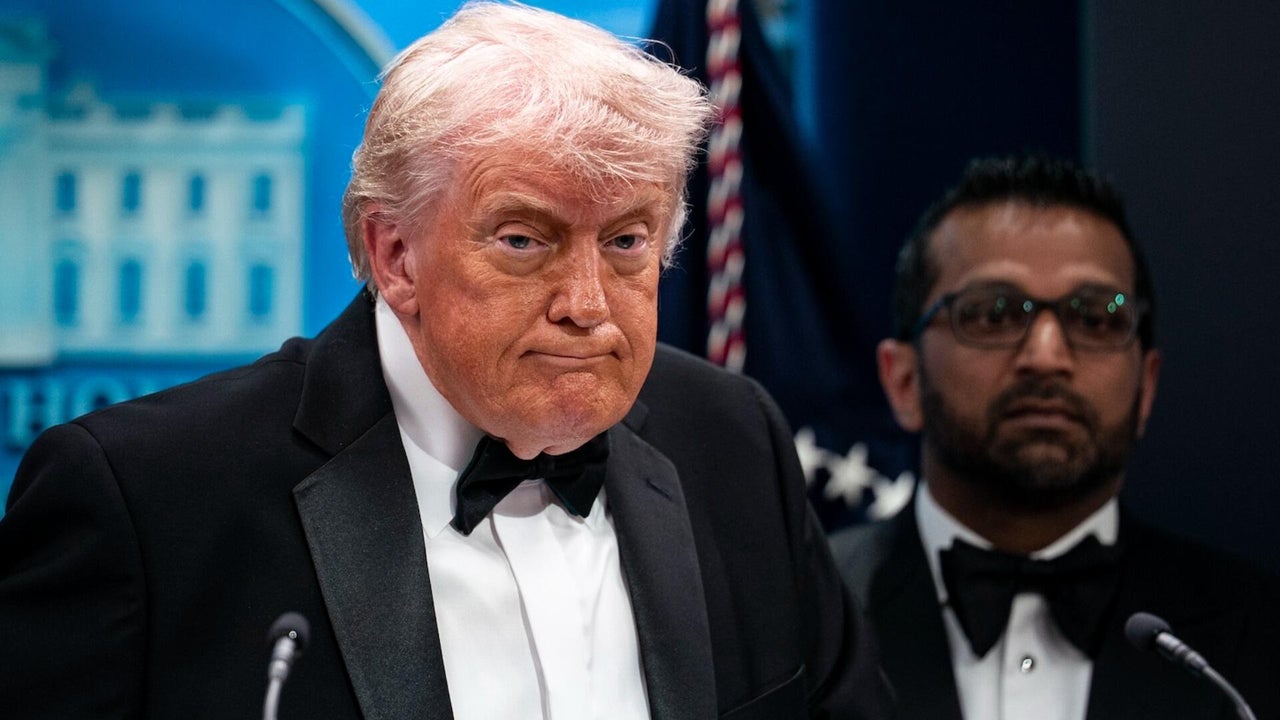
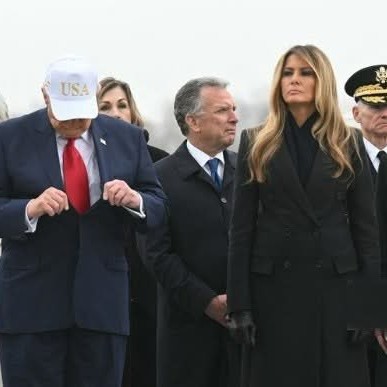
At Dover, Trump, Vance, and their spouses stood alongside Defense Secretary Pete Hegseth, Attorney General Pam Bondi, White House chief of staff Susie Wiles, special envoy Steve Witkoff, and Director of National Intelligence Tulsi Gabbard. Governors and senators from Iowa, Minnesota, Nebraska, and Florida also attended. As protocol requires, the president did not speak during the transfer; instead, saluting as each flag-draped transfer case was carried from the aircraft to waiting vehicles.
BREAKING: Trump disrespects fallen soldiers at Dover – Wears “USA” golf cap, fiddles with jacket during dignified transfer! Imagine if Obama did that!
Donald Trump showed up at Dover Air Force Base today for the dignified transfer of six U.S. service members killed in his… pic.twitter.com/GlkOwWLSKK
— Occupy Democrats (@OccupyDemocrats) March 8, 2026
The Pentagon previously identified the soldiers as Maj. Jeffrey O’Brien, 45, of Indianola, Iowa; Capt. Cody Khork, 35, of Winter Haven, Florida; Chief Warrant Officer 3 Robert Marzan, 54, of Sacramento, California; Sgt. 1st Class Nicole Amor, 39, of White Bear Lake, Minnesota; Sgt. 1st Class Noah Tietjens, 42, of Bellevue, Nebraska; and Sgt. Declan Coady, 20, of West Des Moines, Iowa, posthumously promoted from specialist.

Family members described the six in public statements and social media posts as devoted parents, spouses, and children. “These soldiers engaged in the most noble mission: protecting their fellow Americans and keeping our homeland secure,” said Sen. Joni Ernst of Iowa, a Republican and combat veteran. Amor’s husband said she had been due home within days, while Coady’s father said, “He loved being a soldier… he would do anything and everything for anyone.”
What It Means for You
For U.S. readers, this latest update is a reminder that many service members deployed today are reservists with deep ties to local communities, workplaces, and schools. Their losses ripple far beyond the base, affecting families, employers, faith groups, and civic organizations. Older Americans, including many veterans and parents of service members, may see echoes of previous conflicts in how quickly overseas missions can become dangerous.
The ceremony at Dover may also shape how the public evaluates future decisions on troop deployments, support for military families, and care for veterans returning from war zones. In the coming weeks, watch for any changes in U.S. force levels in the region, congressional oversight hearings on the Iran campaign, and additional safety measures for units in support roles.
How do events like this dignified transfer influence the way you think about U.S. military involvement overseas and the risks borne by service members’ families?
Sources: PBS NewsHour / Associated Press report by Seung Min Kim (March 7, 2026); Pentagon casualty announcements and public family tributes released earlier the same week.