TL;DR
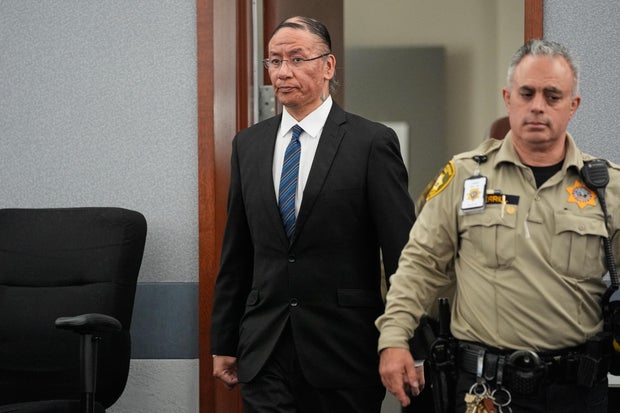
The Las Vegas trial of former “Dances With Wolves” actor Nathan Chasing Horse has opened, with prosecutors alleging sexual abuse of Indigenous women and girls and the defense insisting he is falsely accused.
Why This Matters
The case against Nathan Chasing Horse reaches beyond one former film actor. It sits at the intersection of criminal justice, Indigenous rights, and the long-running crisis of violence against Native women and girls across North America.
Prosecutors say Chasing Horse used his standing as a Lakota medicine man to target young Indigenous followers, including minors, over several years. Advocates have long warned that spiritual and community leaders can sometimes exploit deep trust, making it especially hard for alleged victims to come forward.
The trial is also being closely watched because it follows a previous indictment that was thrown out over how prosecutors used the grand jury process. The refiled charges test how courts handle complex allegations involving cultural practices, spiritual authority and accusations of grooming.
For Indigenous communities, particularly in the United States and Canada, the case feeds into a broader conversation about how legal systems respond when Native women report sexual violence – and whether reforms are translating into accountability.
Key Facts & Quotes
Nathan Chasing Horse, best known for playing Smiles A Lot in the 1990 film “Dances With Wolves,” has pleaded not guilty to 21 charges, including sexual assault and sexual assault of a minor, according to prosecutors in Clark County, Nevada. Opening statements began Tuesday in a Las Vegas courtroom.
Opening statements begin in sex assault trial of ‘Dances With Wolves’ actor Nathan Chasing Horse https://t.co/KqqHEVw42x pic.twitter.com/1Y4vZK3IEQ
— The Independent (@Independent) January 21, 2026
Prosecutors allege that Chasing Horse, a Lakota spiritual practitioner born on the Rosebud Reservation in South Dakota, used his reputation as a medicine man to prey on Indigenous women and girls. Two alleged victims are at the center of this trial: one who was 14 at the time of the alleged abuse, and another who was 19.
Deputy District Attorney Bianca Pucci told jurors that in 2012, Chasing Horse told the 14-year-old that “the spirits” wanted her to give up her virginity to save her mother, who had cancer, and then sexually assaulted her. “She wanted to appease the spirits,” Pucci said. “She wanted to appease the medicine man.”
Prosecutors say Chasing Horse later took the girl on the road to ceremonies, repeatedly assaulting her in hotel rooms and having her tattoo spiders on her arms and hand as a reminder not to tell anyone. “Chasing Horse had her stuck in his web,” Pucci told the jury.
The defense has pushed back sharply. Attorney Michael Mueller portrayed the woman as an angry partner who had lived happily with Chasing Horse and his multiple wives, arguing she fabricated claims. He showed jurors family photos and images from cultural gatherings, saying Chasing Horse is well respected. “This isn’t some bizarre pedophile at large running around,” Mueller told the court.
Jurors are expected to see video evidence and hear from another alleged victim, who prosecutors say was 19 when she was assaulted and had known Chasing Horse since childhood through ceremonies. “She felt like he was a protector, a medicine man, part of the Lakota culture,” Pucci said.
A third woman, Janessa Lambert, previously alleged in a televised interview that Chasing Horse sexually assaulted her in her British Columbia home in 2018 after their breakup. She said she reported it to police in 2022 but was told little could be done unless he returned to Canada. “I just remember feeling disgusted and gross,” she said.
The current case follows an earlier indictment that was dismissed in 2024, when the Nevada Supreme Court ruled prosecutors misused the grand jury process by introducing a definition of grooming without expert testimony. The court, however, allowed for charges to be refiled, leading to the new indictment now at trial.
What It Means for You
For many readers, this trial is a window into how courts handle allegations of long-term abuse involving spiritual or community leaders. The case may influence how law enforcement and prosecutors approach future complaints that arise in tight-knit cultural or religious circles, where social pressure can make reporting abuse more difficult.
It also adds to the national conversation about violence against Indigenous women, a problem lawmakers and tribal leaders have labeled an epidemic. How this case unfolds could shape public expectations about cross-border cooperation, victim support, and the use of concepts like “grooming” in court.
Question for readers: What safeguards do you think are most effective in protecting vulnerable people when community or spiritual leaders wield significant authority?
Sources
Based on sworn statements and opening arguments in Clark County District Court in Las Vegas on Jan. 20, 2026, and on a 2025 televised interview with alleged victim Janessa Lambert in British Columbia.