TL;DR
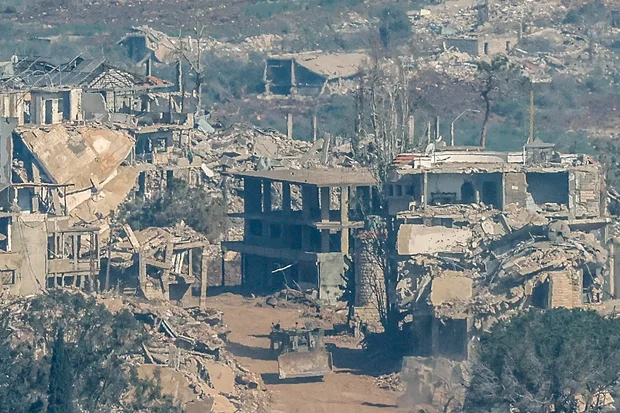
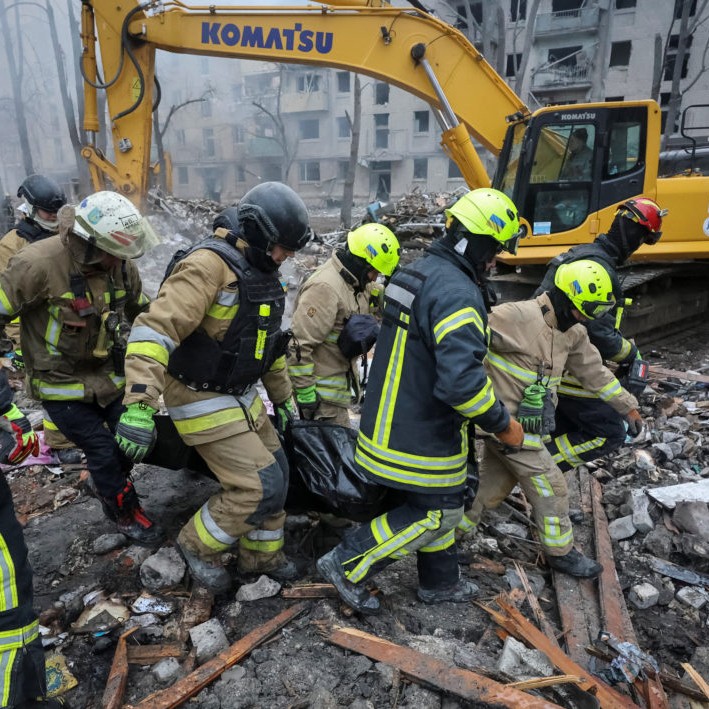
A new Russian cruise missile hit a five-story apartment building in Kharkiv, killing at least 10 people, including two children, amid a wider overnight barrage across Ukraine.
Why This Matters
The strike in Kharkiv, Ukraine’s second-largest city, highlights how dense urban areas remain on the front line more than four years into Russia’s full-scale invasion. Residential buildings, schools, and energy facilities have repeatedly been hit, raising ongoing concerns about civilian protection and the laws of war.
Ukrainian authorities say the building was struck by a new type of cruise missile with a longer range and upgraded navigation designed to resist jamming. If confirmed, that would point to continued adaptation of Russia’s weapons and fresh challenges for Ukraine’s air defenses, already stretched by repeated waves of missiles and drones.
The overnight attack also illustrates how conflicts are increasingly linked. Ukrainian officials say Russia relied again on Iranian-designed Shahed drones, the same type Iran has used in the Middle East. As attention and resources are pulled between Ukraine and the Middle East, leaders face pressure to balance military aid, diplomacy, and humanitarian support on multiple fronts.
Key Facts & Quotes
Officials in Kharkiv said at least 10 people were killed and 16 wounded when a missile slammed into a five-story residential block on Saturday. Among the dead were a primary schoolteacher and her second-grade son, as well as an eighth-grade student and her mother, according to Kharkiv mayor Ihor Terekhov. Emergency crews continued searching the rubble for survivors.
The regional prosecutor’s office said the building was hit by a new Russian air-launched cruise missile known as Izdeliye-30. Ukrainian reports describe it as a subsonic weapon with a range of about 1,500 kilometers (930 miles) and a satellite navigation system designed to be more resistant to jamming. Overnight, Russia launched 29 missiles and 480 drones across Ukraine, Ukrainian officials said, with air defenses downing 19 missiles and 453 drones. Hits from nine missiles and 26 strike drones were recorded at 22 locations.
Debris damaged sites in three districts around Kyiv, while in the southern Odesa region, about 80 firefighters battled large fires at infrastructure facilities after multiple drone strikes. Ukraine’s state rail operator reported damage that forced route changes in central and western areas. Russia’s Defense Ministry said the targets included military factories, energy facilities, and air bases. President Volodymyr Zelenskyy urged allies to respond, saying on X, “There must be a response from partners to these savage strikes against life” and calling for continued support to protect Ukraine’s residential and critical infrastructure.
Russian Missile Strike Kills at Least 10 in Kharkiv Apartment Block as Ukraine Faces Widening Drone and Missile Barragehttps://t.co/Ht1Iu3xAvf #Russia #Ukraine #Kharkiv #MissileAttack pic.twitter.com/KqpDrJX6Rq
— Bobnews24.com (@Bobnews24C) March 8, 2026
What It Means for You
For people watching from the United States and elsewhere, the Kharkiv strike is a reminder that Europe’s largest conflict since World War II is ongoing, even as global attention has shifted toward the Middle East. Sustained attacks on Ukrainian cities and infrastructure can influence global energy markets, defense spending, and humanitarian needs that taxpayers ultimately help fund.
The reported use of a new long-range missile and continued reliance on Shahed drones will likely feed debates over air defense aid, sanctions, and future negotiations. Readers may want to watch how quickly partners respond with additional defenses, whether U.S.-brokered talks between Russia and Ukraine are rescheduled, and how governments balance support for Ukraine with other global crises.
Sources: Official statements from Ukrainian regional authorities, Ukraine’s president, and Russia’s Defense Ministry on March 7, 2026.