TL;DR
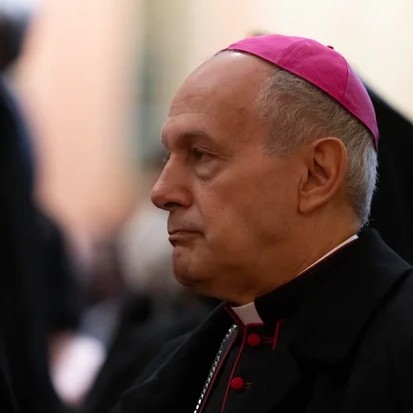
Pope Leo XIV has appointed Archbishop Gabriele Caccia as apostolic nuncio to the United States, a key diplomatic post as tensions persist over war and immigration.
Why This Matters
The Vatican’s ambassador in Washington serves as both a diplomat to the U.S. government and the pope’s main link to America’s Catholic bishops. That makes the post unusually powerful at a moment when U.S. foreign policy and church politics are under strain.
Relations between the Holy See and the Trump administration have been tested by the U.S.-Israeli war in Iran, a hard line on immigration, and broader questions about the use of military force. Pope Leo XIV, the first U.S.-born pope, has spoken out firmly on protecting migrants and limiting warfare, while trying to calm internal church divisions.
Archbishop Gabriele Caccia will now navigate this crowded agenda. His work could influence everything from Vatican statements on global conflicts to which priests become bishops in American dioceses. With U.S. Catholics among the Vatican’s largest financial supporters, his success or failure will matter well beyond church walls and may shape how moral arguments intersect with U.S. policy debates.
Key Facts & Quotes
Pope Leo XIV on Saturday named Archbishop Gabriele Caccia, 68, as apostolic nuncio to the United States, according to a Holy See announcement. Caccia currently serves as the Holy See’s ambassador to the United Nations in New York and previously represented the Vatican in Lebanon and the Philippines.
He replaces Cardinal Christophe Pierre, 80, who is retiring after a tenure marked by friction between the more conservative U.S. Conference of Catholic Bishops and the generally more progressive direction under Pope Francis and now Leo XIV. Before his diplomatic postings, Caccia worked in the Vatican’s Secretariat of State as an assessor, a senior administrative role.
Leo XIV has urged the Trump administration to honor “the human dignity of migrants,” while acknowledging a nation’s right to control its borders. On the U.S.-Israeli war in Iran, he has warned against “the spiral of violence before it becomes an irreparable abyss” and said last Sunday that “weapons only sow destruction, pain and death.”
Archbishop Gabriele Caccia appointed as Vatican ambassador to the U.S. to improve strained relations. 🇻🇦🤝🇺🇸
Pope Leo XIV emphasizes unity and diplomacy, expressing deep concern over the Iran conflict. 🕊️🌍 pic.twitter.com/noIvFZVQz4
— unumihai Media (@unumihaimedia) March 7, 2026
In a major foreign policy speech earlier this year, Leo criticized what he called aggressive uses of U.S. military power, in apparent reference to the U.S. incursion in Venezuela and threats to take Greenland. The Holy See maintains a tradition of diplomatic neutrality, yet Leo has also condemned the humanitarian toll of Israel’s military action in Gaza and Russia’s invasion of Ukraine. Archbishop Paul S. Coakley, president of the U.S. bishops’ conference, welcomed Caccia’s appointment and offered “our prayerful support.”
What It Means for You
For American Catholics, the new nuncio will help shape the next generation of bishops, influencing how local dioceses approach issues like immigration, social teaching, and political engagement. His relationship with U.S. church leaders could either ease or deepen existing divides.
For the broader public, the appointment signals how the Vatican plans to engage with Washington on war, peace, and human rights. Caccia’s experience at the United Nations suggests continued emphasis on multilateral diplomacy and international law at a time of widening global conflict.
In the coming months, watch for how often Leo XIV and Caccia speak out on Iran, Gaza, Ukraine, and border policy, and whether the tone between Rome and the White House grows more cooperative or more confrontational. That balance may influence debates in Congress, within churches, and in public opinion on what it means to wage a “just” war and run a “humane” border.
What do you think the Vatican’s role should be in shaping U.S. debates over war and immigration today?
Sources: Holy See Press Office statement, March 7, 2026; U.S. Conference of Catholic Bishops public remarks, March 7, 2026.