TL;DR
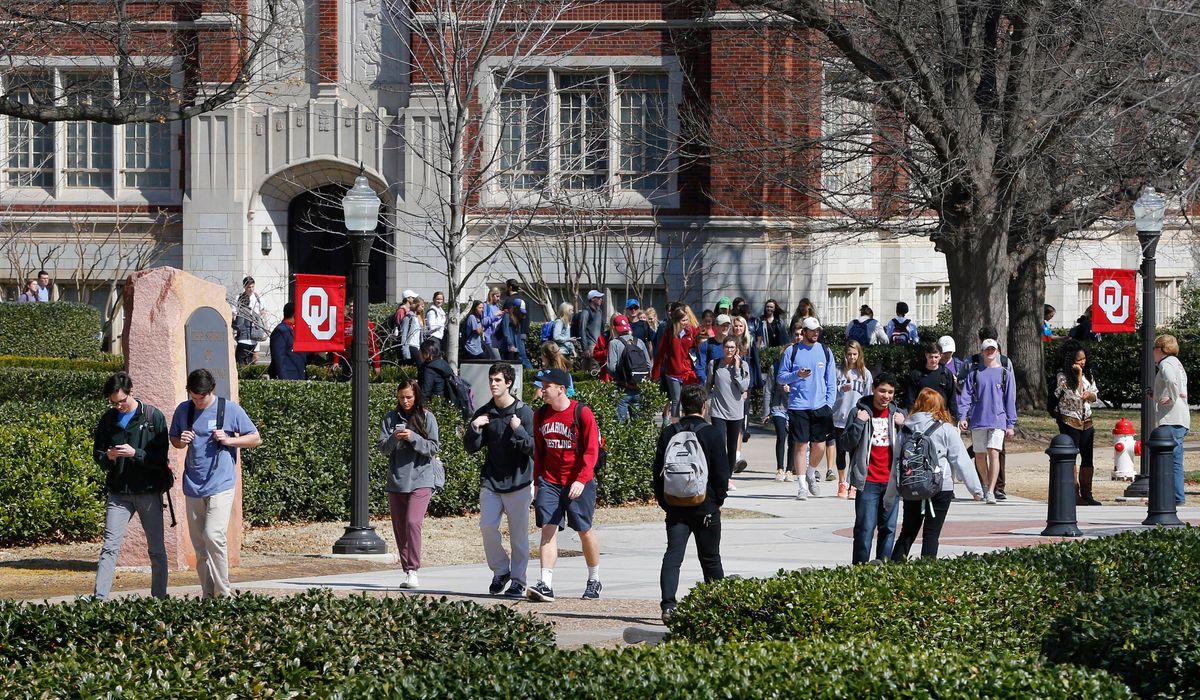
An instructor at the University of Oklahoma is on leave after failing a student’s Bible-based essay on gender, igniting a new clash over free speech, religion and academic standards on campus.
Why This Matters
The dispute at the University of Oklahoma sits at the intersection of several sensitive issues: religious freedom, LGBTQ+ rights, academic standards and political pressure on universities. How schools handle assignments that touch on gender identity and faith has become a recurring flashpoint, especially as national debates over diversity, equity and inclusion programs, and classroom discussions of race and gender, have intensified in recent years.
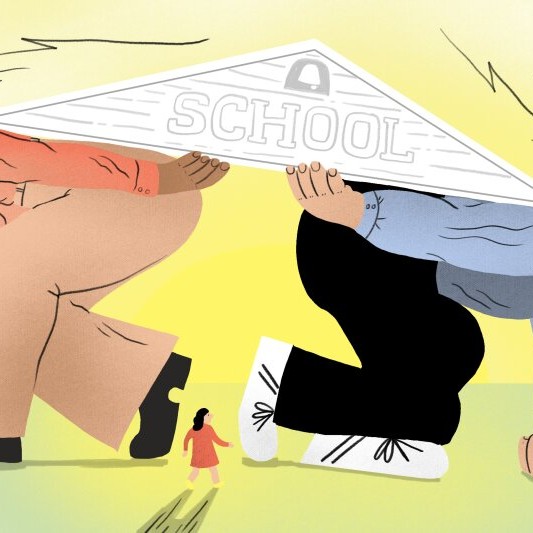
For public universities, the stakes are high. They must protect students from discrimination while also honoring free expression and allowing instructors to enforce academic rules. Cases like this can influence campus policies, shape public perceptions of higher education and, in some instances, attract attention from elected officials who may control funding or appoint university boards.
For many families, the story speaks to concerns about whether students can voice religious or conservative views without punishment, and whether classrooms remain grounded in evidence-based teaching. The outcome of the investigation in Oklahoma may serve as an informal guide for how other colleges navigate similar conflicts over what counts as valid academic work versus personal belief.
Key Facts & Quotes
According to university communications and local news reports, a 20-year-old junior, Samantha Fulnecky, received a failing grade on a 650-word essay in a lifespan development psychology course. The assignment asked students to respond to an academic study on whether conforming to gender norms affected middle school students’ popularity or experiences with bullying.
Instead of closely engaging with the study, Fulnecky wrote that, based on her understanding of the Bible, she does not believe there are more than two genders. In a copy of the essay shared with a local television station, she wrote that, “Society pushing the lie that there are multiple genders and everyone should be whatever they want to be is demonic and severely harms American youth,” and argued that such beliefs move society “farther from God’s original plan for humans.”
The essay was graded on a 25-point rubric focused on demonstrating understanding of the research article and addressing a specific part of its argument. Fulnecky received zero points. In written feedback, the instructor said the paper “does not answer the questions for the assignment, contradicts itself, heavily uses personal ideology over empirical evidence in a scientific class, and is at times offensive,” according to the local station.
A second instructor who also teaches the class reportedly backed the failing grade. After Fulnecky filed a discrimination complaint, the university placed the original instructor on leave and announced that the zero – which counted for about 3% of the final course grade – would not affect her overall academic standing while an investigation continues.
The case drew wider attention after the university chapter of Turning Point USA, a conservative student organization, posted about it on X, the platform formerly known as Twitter, arguing that such grading shows why “conservatives can’t voice their beliefs in the classroom.” Oklahoma Governor Kevin Stitt called the situation “deeply concerning” in his own post on X and urged the university’s governing board to review the investigation’s outcome to ensure students are not “unfairly penalized for their beliefs.”
Oklahoma University instructor on leave after failing Bible-based essay on genderhttps://t.co/zV7zRMBOCO pic.twitter.com/3dIKD2ZhjX
— The Washington Times (@WashTimes) December 4, 2025
The controversy follows other recent campus disputes across the country over teaching gender identity, including a case at another public university where a professor was removed after a viral classroom confrontation and later reinstated by a faculty committee that said proper procedures were not followed.
What It Means for You
For parents, students and faculty, the latest update from Oklahoma highlights how quickly a classroom disagreement can become a national story in today’s polarized environment. It also shows that grades tied to hot-button topics like gender identity and religion may be challenged not only through campus grievance processes but also in the court of public opinion and on social media.
Public universities must balance several legal obligations: protecting students from discrimination, upholding academic integrity and respecting freedom of expression and religious belief. How the University of Oklahoma resolves this case – including whether it adjusts policies, training or grading guidelines – could influence how similar disputes are handled elsewhere.
For readers, the key question is where that balance should lie: Should personal religious views be enough to meet the requirements of a scientific assignment, or should students always be required to engage directly with the research and evidence presented, even when it conflicts with their beliefs?
Sources: University of Oklahoma email to students and staff (Dec. 2025); local Oklahoma City television interview and reporting with student Samantha Fulnecky (late Nov.-early Dec. 2025); public posts by Turning Point USA’s campus chapter and Governor Kevin Stitt on X.
What do you think is the right balance between protecting religious expression and maintaining evidence-based academic standards in college classrooms?