TL;DR
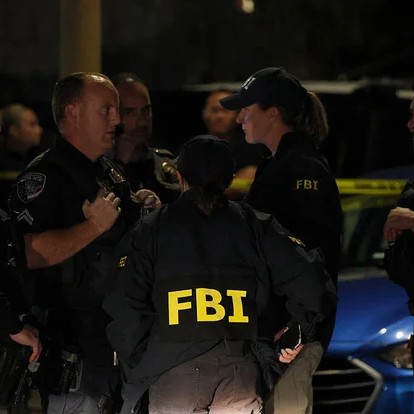
Minneapolis Mayor Jacob Frey called on federal immigration agents to leave the city after an ICE officer fatally shot 37-year-old legal observer Renee Good during a street encounter.
Why This Matters
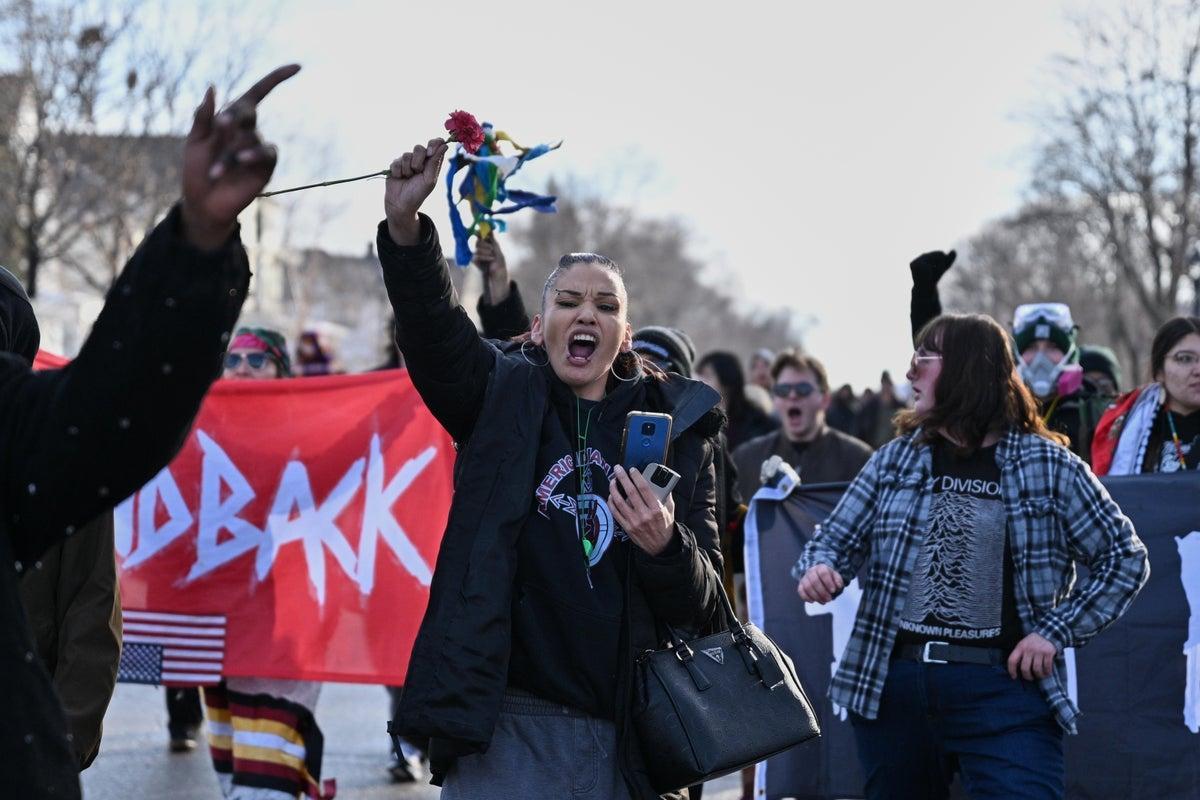
The fatal shooting in south Minneapolis touches several fault lines in American public life: immigration enforcement, federal-local tensions, protest policing and public trust in law enforcement. The woman killed, identified by a U.S. official as 37-year-old Renee Good, was described by city leaders as a legal observer monitoring federal activity, not a target of any immigration arrest.
The incident comes amid a sharp increase in federal agents deployed to the Twin Cities area for immigration enforcement and fraud investigations, ordered by the Trump administration. Local officials now face a community already wary of heavy federal presence, particularly in neighborhoods with large immigrant and refugee populations.
How this case is investigated and communicated could influence national debates over the role and accountability of federal officers operating in U.S. cities. It also raises fresh questions about how conflicting narratives – from city leaders, federal officials and the White House – shape public understanding in fast-moving, high-stakes confrontations.
Key Facts & Quotes
The shooting took place Wednesday morning on a residential street in south Minneapolis, where federal agents had been operating amid recent clashes with protesters. A U.S. official identified the driver as Renee Good, 37. According to U.S. Sen. Tina Smith, she was a U.S. citizen. City leaders said Good was serving as a legal observer and was not being sought for an immigration-related arrest.
A Department of Homeland Security spokesperson, Tricia McLaughlin, called the shooting an act of self-defense, alleging Good attempted to run over law enforcement officers. Homeland Security Secretary Kristi Noem described the driver’s actions as an “act of domestic terrorism.”
President Donald Trump, in a social media post, wrote that “the woman driving the car was very disorderly, obstructing and resisting, who then violently, willfully, and viciously ran over the ICE Officer.” Videos of the incident circulating publicly, however, do not show officers being run over; they show several officers surrounding the SUV and ordering the driver out before she began to drive away, moments before shots were fired.
Mayor Jacob Frey, speaking at a news conference, delivered a blunt message to Immigration and Customs Enforcement: “Get the f*** out of Minneapolis.” He added, “We do not want you here… What they are doing is causing chaos and distrust.”
After ICE shooting, Minneapolis Mayor Jacob Frey tells feds to ‘get the f—- out’https://t.co/4ipKwamsJ8 pic.twitter.com/aP7GsKgvyq
— The Washington Times (@WashTimes) January 8, 2026
Frey said he had viewed video of the encounter and flatly rejected DHS accounts, calling them “bulls**t” and describing the shooting as “an agent recklessly using power that resulted in somebody dying.” He pledged the city would “do everything possible” to pursue justice. The deployment to Minnesota includes roughly 1,500 ICE Enforcement and Removal Operations agents and 650 Homeland Security Investigations agents, according to local officials.
What It Means for You
For residents of Minneapolis and other U.S. cities where federal agents operate alongside local police, this case highlights the stakes when agencies clash over tactics and accountability. How investigators reconstruct what happened – including their use of video, eyewitness accounts and official reports – will shape whether the public sees the process as credible.
Older residents, immigrant communities and business owners may feel particular concern about how everyday encounters with federal officers are handled and explained. In the coming weeks, watch for announcements about who will lead the investigation, whether body camera or additional video footage is released, and how local and federal officials coordinate their messaging.
The outcome could influence future limits or conditions local governments seek to place on federal operations in their cities. It may also affect how quickly conflicting statements from officials are challenged or corrected when serious incidents occur.
Question for readers: How should local and federal authorities share power and responsibility when serious incidents like this fatal shooting occur in U.S. cities?