TL;DR
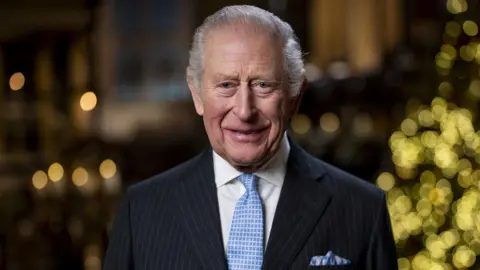
King Charles’ Christmas Broadcast was the most-watched UK TV programme on Christmas Day, drawing nearly 7 million viewers as BBC shows filled nine of the day’s top 10 slots.
Why This Matters
Television audiences on Christmas Day offer a snapshot of how a country comes together during a major holiday. In the United Kingdom, the monarch’s Christmas message has been a shared ritual since the days of radio in 1932, and its TV audience remains a barometer of both public interest in the royal family and the strength of traditional broadcast viewing.
This year, overnight ratings show King Charles’ address still anchors the national schedule, even as streaming and on-demand viewing spread. The figures highlight how live TV continues to matter for big communal moments, from royal events to family entertainment.
For U.S. readers, the numbers underline a continuing difference between media markets. While American holiday viewing is fragmented across dozens of cable channels and streaming platforms, the U.K. still sees millions tuning in at the same time to the same programmes. That makes Christmas ratings a recurring top story in British media and a key indicator for broadcasters competing for advertising, relevance and cultural influence.
Key Facts & Quotes
According to overnight viewing data from the U.K.’s official TV ratings body, as reported by national broadcasters on 26 December, King Charles’ Christmas Broadcast was the country’s most-watched programme on 25 December.
The King’s message tops Christmas Day TV ratings – Nearly 7m people tuned in on the BBC, ITV, Sky News and GB News to watch King Charles deliver his annual broadcast. via @BBC https://t.co/L7DwWSaIyw pic.twitter.com/wK4k1jqN4W
— 🌊💙 Viking Resistance 💙🌊 (@BlueCrewViking) December 26, 2025
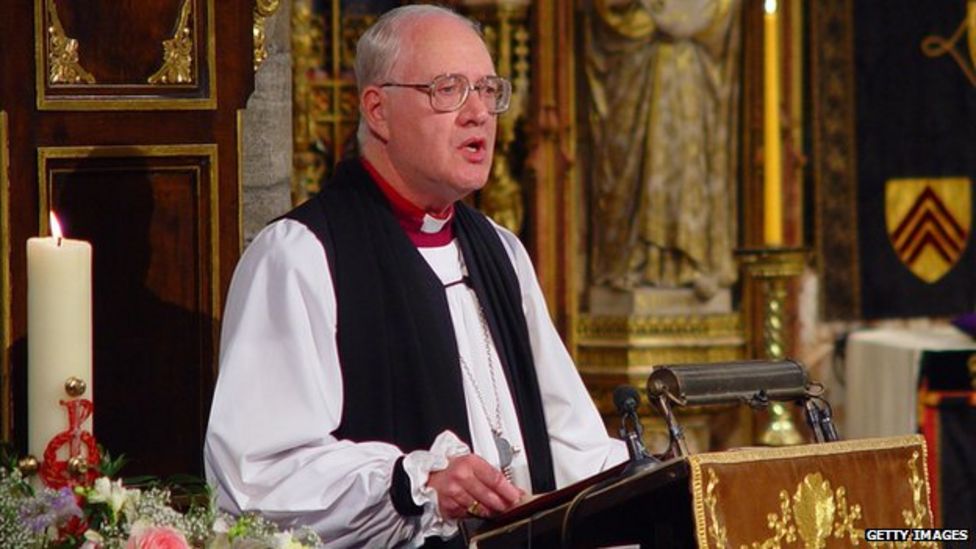
Nearly 7 million people watched the speech across several channels, including the main public service networks and news stations. This year’s message was recorded in Westminster Abbey, the historic London church where British monarchs are crowned.
After the King’s address, the second most popular show was “The Scarecrows’ Wedding” on BBC One, which drew 4.3 million viewers. The animated special is based on the children’s picture book by author Julia Donaldson and illustrator Axel Scheffler, known for “The Gruffalo”.
King Charles used his annual speech to invoke a spirit of community, urging people to connect with those around them and to “never lose sight” of the values that helped communities come together “in the face of such great challenge”.
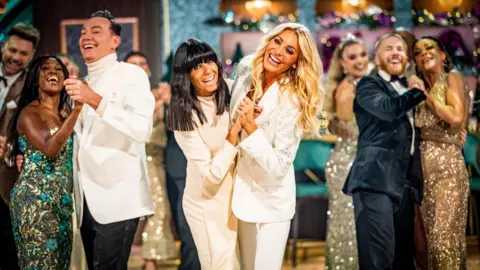
Strictly Come Dancing’s Christmas Special ranked third, attracting 4.2 million viewers. Longtime co-hosts Tess Daly and Claudia Winkleman presented the festive edition together for the final time, ending the show with their familiar “keep dancing!” sign-off. Winkleman told viewers that their support over the years had “meant a world to us”.
Soaps saw a weaker performance. “EastEnders” placed eighth with 2.85 million viewers for its first Christmas Day episode; the second episode did not reach the top 10. Other long-running soaps, including “Coronation Street” and “Emmerdale” on commercial television, also missed the top 10 list.
Across the day, BBC programmes accounted for nine of the 10 most-watched shows. The only non-BBC entry was a Christmas episode of the quiz show “The 1% Club” on ITV1, hosted by comedian Lee Mack, which took ninth place with 2.75 million viewers.
The BBC’s chief content officer, Kate Phillips, called the figures “a timely reminder that shared moments really do still matter even in a world of so much choice”.
The reported numbers are “overnight” ratings only, meaning they exclude viewers who will watch on catch-up or streaming services later in the festive period, as well as those watching the King’s message on smaller or non-TV platforms.
Sources: U.K. overnight TV ratings data for 25 December 2025 (Barb, released 26 December 2025); King Charles’ 2025 Christmas Broadcast; statements and schedules from U.K. broadcasters.
What It Means for You
For viewers, especially those age 35 and up, the latest update from the U.K. shows that appointment TV is not disappearing as quickly as some predictions suggest. Big national rituals – whether a presidential address, a Super Bowl halftime show or a royal Christmas message – still draw large, live audiences.
The trend also points to how audiences balance tradition and choice. Even with streaming options, many people still prefer to sit down at a set time with family or friends for certain shows. In the coming years, expect more hybrid approaches, with major broadcasts airing live while also being pushed quickly to on-demand platforms.
For U.S. readers who follow the British royal family or international media, these viewing figures offer another way to gauge public interest and how global news events are framed through television. As holiday habits continue to evolve, how do you and your household choose what, if anything, to watch together on big festive days?