TL;DR
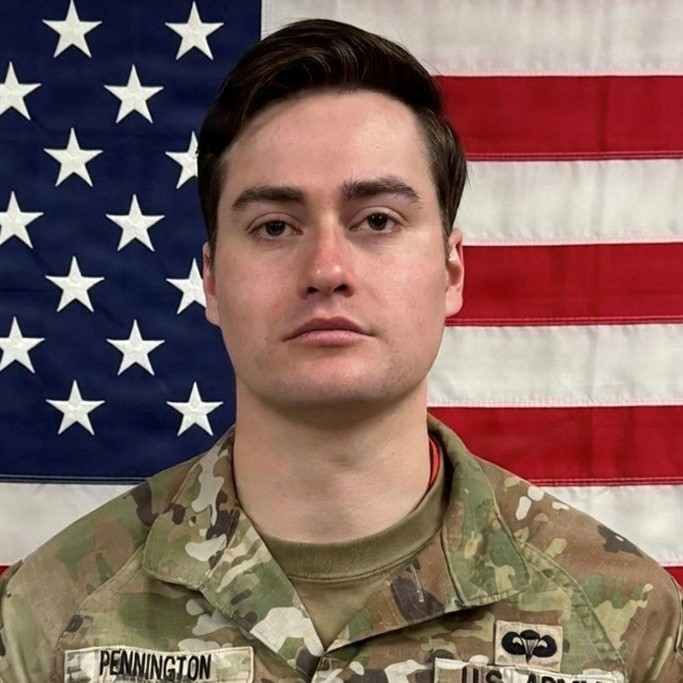
Sgt. Benjamin Pennington, 26, of Kentucky, died days after a Saudi base attack, becoming the seventh U.S. service member killed in the Iran war.
Why This Matters
The death of Sgt. Benjamin N. Pennington, a 26-year-old soldier from rural Kentucky, underscores how the Iran war is touching U.S. communities far from the Persian Gulf. His passing marks the seventh U.S. combat death since fighting began on Feb. 28, according to the Pentagon.
Pennington served with the Army’s Space and Missile Defense Command, a unit focused on missile warning and satellite communications. His case highlights how modern conflicts rely on troops working in support roles at distant bases, who can still find themselves under direct attack despite being far from front-line ground combat.
For residents of small towns like Glendale, Kentucky, these casualties are deeply personal. They also shape national debates over the length and cost of the Iran war, U.S. troop deployments across the Middle East, and the support systems available to families who lose loved ones in uniform.
Key Facts & Quotes
The Pentagon said Pennington died Sunday from wounds suffered in a March 1 attack on Prince Sultan Air Base in Saudi Arabia. He was assigned to the 1st Space Battalion, 1st Space Brigade, part of the U.S. Army Space and Missile Defense Command based at Fort Carson, Colorado, according to an Army statement.
Seventh US service member, Army Sgt. Benjamin Pennington from Kentucky, killed in the Iran conflict, arrives home via dignified transfer at Dover AFB. VP Vance & Sec. Hegseth salute. 7th death since the Feb 28 war started.#Trump #IranWar pic.twitter.com/z2WIOmgFab
— Safari Reports (@Safari_Reports1) March 10, 2026
Friends and mentors described him as steady and unassuming. Mike Bell, a retired pastor who knew him since childhood, said, “He was just a quiet person… steady doing what he needed to do.” Former teacher Tom Pitt called him “the quintessential all-American” and “an American hero” who excelled in both character and ability.
Pennington, an Eagle Scout whose project involved rebuilding local baseball facilities, graduated from Central Hardin High School in 2017 and joined the Army shortly afterward. Kentucky Gov. Andy Beshear called him “a hero who sacrificed everything serving our country” in a message posted on social media.
His death follows the killing of six Army reservists in Kuwait when an Iranian drone struck an operations center at a civilian port, U.S. officials say. President Donald Trump traveled to Dover Air Force Base on Saturday to attend the dignified transfer of those soldiers’ remains, according to the White House.
What It Means for You
For many Americans, the latest update from Saudi Arabia is a reminder that U.S. service members continue to operate in harm’s way, even when conflicts feel distant. Families with loved ones in the military may see Pennington’s story as a stark example of the risks that come with overseas deployments.
The Iran war could affect everything from future call-ups of reserve units to how long active-duty troops remain stationed in the Middle East. Lawmakers are already under pressure to explain U.S. goals, timelines, and support for service members returning from combat zones or injured in attacks like the one in Saudi Arabia.
Readers may want to follow how casualty numbers evolve, what safeguards are added at bases, and whether new benefits or counseling services are offered to military families. Local communities, churches, and veterans’ groups will continue to play a key role in honoring the fallen and supporting those they leave behind.
How do you think communities and leaders should best honor service members lost in distant conflicts?
Sources: U.S. Department of Defense casualty announcement on Sgt. Benjamin N. Pennington (March 9, 2026); U.S. Army Space and Missile Defense Command statement (March 9, 2026); reporting by PBS NewsHour and the Associated Press (March 9, 2026).