TL;DR
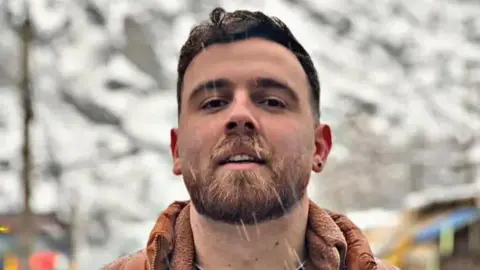
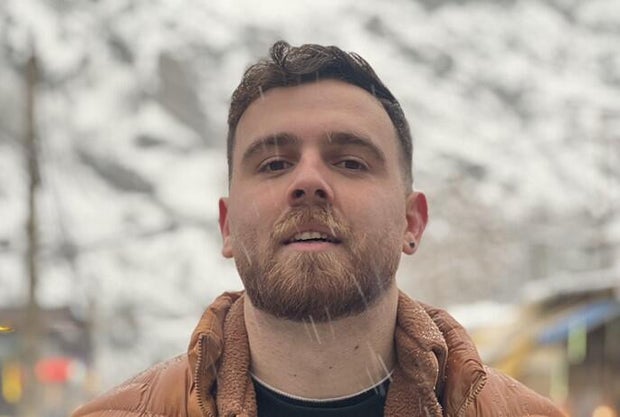
Iran says protester Erfan Soltani faces prison, not execution, after rights groups warned he was sentenced to death and the U.S. threatened action over hangings.
Why This Matters
The dispute over the fate of 26-year-old shopkeeper Erfan Soltani highlights how protest crackdowns, closed courts and information blackouts in Iran make it hard to know who is at risk – and when. His case has become a focal point for wider concerns about how Tehran handles people detained during nationwide demonstrations that erupted in early January.
Human rights groups say dozens of protesters have faced serious charges after past unrest, including some capital cases. The latest wave of protests has been met with internet shutdowns and tight control of information, leaving families struggling to learn whether their relatives are alive, injured, or in custody.
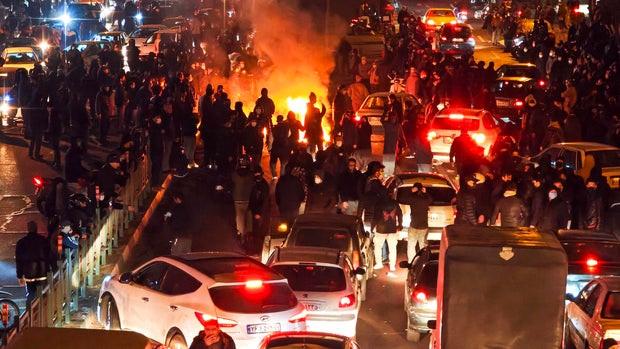
The issue has also spilled into global politics. Washington has warned Tehran against executing demonstrators, raising the stakes for Iran’s judiciary and political leadership. How this case is resolved may signal whether authorities intend to use harsh punishments to deter future protests, or respond to international pressure to avoid executions linked to political dissent.
Key Facts & Quotes
Iranian authorities said Thursday that Erfan Soltani, a 26-year-old clothing seller arrested on January 8 near Tehran, is not facing the death penalty. The country’s Judiciary Media Center, quoted by the semi-official Tasnim news agency, said reports of a death sentence were “fabricated and misleading” and that the charges against him carry only possible prison time.
According to the judiciary, Soltani has been charged with “assembly and collusion against national internal security” and with engaging in “propaganda activities against the system.” Officials acknowledged he is being held at Karaj Central Prison, outside Tehran.
By contrast, the Kurdish human rights group Hengaw, which tracks cases inside Iran through local contacts and has been in touch with Soltani’s family, said earlier this week that he had already been convicted and sentenced to death for alleged involvement in the protests. Hengaw later said the execution had been postponed, after the family was reportedly told it would take place on Wednesday. The organization admits it has struggled to confirm details because of an ongoing internet blackout.
Iran internet blackout hits one week as protest icon spared execution after Trump warning
As the world awaits Trump’s decision on a possible strike against Iran over its deadly protest crackdown, Tehran now says Erfan Soltani, a pr…https://t.co/qHHaasZMRD pic.twitter.com/dJNJRYFCdp
— Ynet Global (@ynetnews) January 15, 2026
Iran’s judiciary chief, Gholamhossein Mohseni-Ejei, underscored a desire for swift action in cases related to the protests. “If we want to do a job, we should do it now. If we want to do something, we have to do it quickly,” he said in a video aired on state television, adding that if decisions come “two months, three months later, it doesn’t have the same effect.”
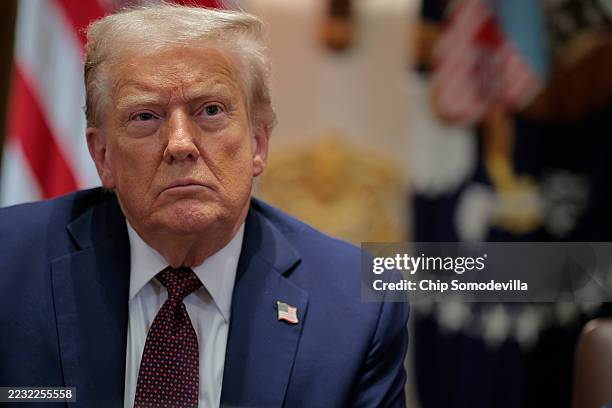
In Washington, President Donald Trump warned that the United States would respond if Tehran began hanging protesters. Asked what that might mean, he pointed to past U.S. military actions and said he had heard “on good authority that the killing in Iran is stopping and there’s no plan for executions.” His comments have not been publicly confirmed by Iranian officials.
What It Means for You
For readers watching global news from the United States, Soltani’s case is a reminder of how quickly local protests can turn into international flashpoints. Allegations of a death sentence – firmly denied by Iran’s judiciary but repeated by rights advocates – show how contested information becomes in tightly controlled environments.
Going forward, what to watch is whether Iranian authorities provide transparent legal proceedings, allow independent monitoring, or continue to restrict information through internet shutdowns. For families with roots in the region, and for those concerned about human rights and U.S.-Iran relations, this case could be an early signal of how Tehran plans to manage dissent and how far Washington is prepared to go in response.
What do you think governments and international organizations should prioritize when trying to verify and respond to reports of possible executions during protest crackdowns?