Why This Matters
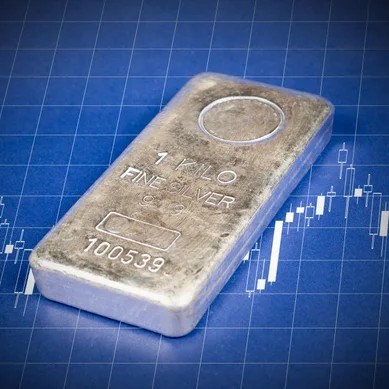
Gold remains one of the most closely watched assets in global markets because it is widely viewed as both a form of money and a financial safety net. When investors worry about inflation, recessions, or market volatility, they often turn to gold to preserve purchasing power.
For U.S. households, especially those nearing or in retirement, the metal can play a role as a potential hedge against rising prices and currency swings. Understanding where the gold price stands today helps savers decide whether to hold, add, or reduce their exposure as part of a broader portfolio strategy.
Gold prices can also act as a barometer of economic stress. Sharp moves in the metal can signal changing expectations about interest rates, geopolitical risk, and the strength of the dollar, which in turn affect everything from bond yields to the cost of jewelry and electronics that use gold components.
Key Facts and Quotes
As of April 27, 2026, the price of gold is reported at about $4,696.88 per troy ounce, according to data from precious metals firm Priority Gold cited by CBS News MoneyWatch. That figure reflects the market’s latest assessment of the metal’s value, but it can change minute by minute during trading hours.
This quoted figure is the spot price, meaning the price for immediate delivery of unrefined, wholesale gold in major trading centers. Consumers buying physical gold, such as coins and bars, typically pay more than the spot price because dealers add premiums to cover manufacturing, distribution, and their own profit margins.
Gold’s price is shaped by a mix of factors, including supply from mines and recycling, jewelry and technology demand, inflation trends, interest rates set or influenced by central banks, the strength of the U.S. dollar, and geopolitical tensions. When investors expect higher inflation or lower real interest rates, they often buy gold as a store of value, which can put upward pressure on prices.
Because of this role, the metal is often described as a “safe-haven asset” and “inflation hedge.” However, even safe-haven assets can be volatile in the short term, and there is no guarantee that past performance patterns will repeat.
What It Means for You
If you are considering buying gold, today’s elevated price level underscores the importance of knowing why you want exposure. Some investors use gold as a small slice of a diversified portfolio rather than a single, all-or-nothing bet. It can be held in several ways, including physical bullion, exchange-traded funds that track the gold price, or shares of mining companies, each with different risks and costs.
Looking ahead, gold watchers will be focused on inflation readings, Federal Reserve interest rate decisions, global political developments, and movements in the U.S. dollar. Checking live prices from reputable sources and, when needed, consulting a qualified financial professional can help you decide whether gold fits your long-term financial plan.
How do you see gold fitting, if at all, into a balanced long-term investment plan for households today?
Sources
CBS News MoneyWatch, Angelica Leicht, “What is the price of gold today?”, published April 27, 2026; Priority Gold, spot gold price data as of April 27, 2026; General background on gold’s role as a safe-haven asset from standard investment and market education materials consulted April 2026.