TL;DR
More Gen Z singles are logging off dating apps and hiring human matchmakers for vetted, in-person introductions, but the curated service can cost from several thousand dollars to $100,000 or more.
Why This Matters
For more than a decade, dating apps have been the default way many people meet, especially younger adults. Now a visible share of Gen Z is signaling that endless swiping and short-lived chats are no longer delivering what they want: fewer but more intentional, real-world connections.
This shift comes after the COVID-19 pandemic pushed much of young adulthood online. Many in Gen Z finished high school or college on Zoom and started their dating lives through screens. As in-person life has returned, some are rethinking how they find partners, moving back toward approaches that look more like traditional introductions, only this time, often run by private matchmakers charging premium fees.
The trend is modest but important. It highlights growing frustration with large social platforms and algorithms, raises questions about who can afford high-touch services, and shows how ideas about romance and technology are still evolving. For older readers, it offers a window into how their children and younger colleagues are navigating love in an increasingly digital-and increasingly curated-world.
Key Facts & Quotes
In a recent feature, a 28-year-old New York medical resident, Shardil Ahmad, described turning to a professional matchmaker after long hospital shifts left him little time to date. “I very much describe myself as a romantic guy… I wanted to be the one to discover this person,” he said, but eventually added, “I’m just letting someone take the wheel.”
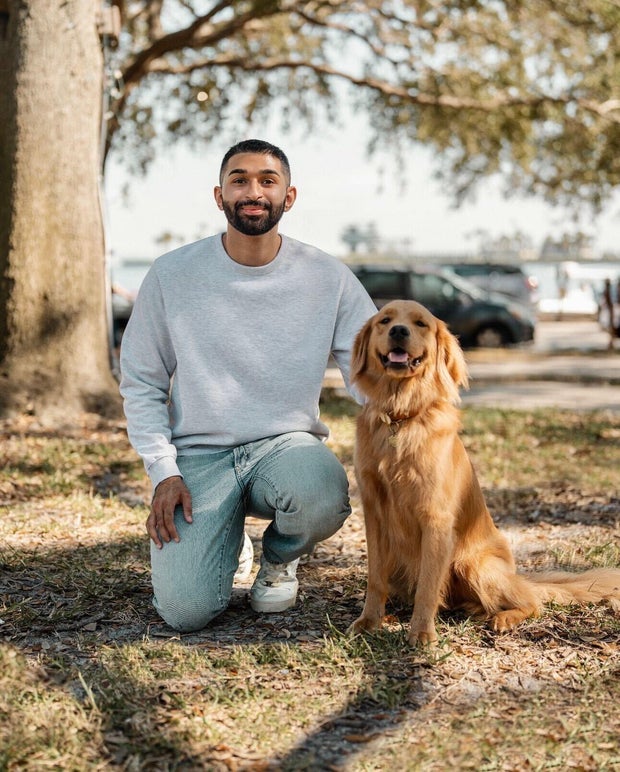
Ahmad is part of a broader group of Gen Z singles seeking alternatives to dating apps amid what industry analysts describe as “dating app fatigue.” During the pandemic, apps surged: Tinder reported a record 3 billion swipes in a single day in 2020, and Match Group, which owns Tinder and Hinge, posted strong subscriber growth in its earnings reports at the time. More recently, Match Group has reported declines in paying subscribers in some segments, reflecting softer demand, according to company filings.

Matchmakers say they are seeing more interest from younger clients. Maria Avgitidis, a fourth-generation matchmaker who runs the agency Agape Match, told reporters that many of her new Gen Z clients “graduated high school or college via Zoom” and now want “intentionality of in real-life experiences.” She added, “They really appreciate and value authenticity. It’s not so much about fitting into a certain aesthetic.”
The services are costly. Industry sources and agencies say fees can range from a few thousand dollars to well into six figures. Some high-end firms charge $15,000 to $25,000 for curated introductions, while Avgitidis said packages at her firm can run from $30,000 to $100,000. Ahmad admitted he hesitated at the price-“How am I gonna spend this much on love?”-but ultimately felt vetted matches saved him time, while noting such services are out of reach for many peers.
For those who cannot or do not want to pay, some agencies maintain free databases where non-paying singles can be considered as matches for paying clients, and offer lower-cost options such as coaching, profile reviews, and group support. Avgitidis also points back to more traditional routes: “Dating used to be a collective experience,” she said, encouraging people not to overlook introductions from friends and family. “We are not meant to date alone.”
What It Means for You
For everyday readers, this trend is less about hiring a matchmaker and more about how attitudes toward technology and relationships are changing. If you or your adult children feel burned out by apps, you are not alone. Many younger adults now say they prefer fewer connections that are better screened and more intentional, whether that comes from a paid service, community groups, or trusted friends and family.
High-end matchmaking will remain a niche option because of its price, but its growth could influence mainstream dating-pushing apps and social platforms to offer more curated, safety-focused tools and in-person events. For parents and relatives, it may also be a reminder that introductions, community activities, and shared networks still matter, even in a digital era.
As Gen Z matures and more of them look for long-term partners, watch for continued debate over what “authentic” dating looks like: algorithmic matching, human intermediaries, or a mix of both.
What do you think: if you-or someone in your family-were tired of dating apps, would you ever consider a human matchmaker, or stick to friends, family, and chance meetings?
Sources: Recent feature reporting on Gen Z matchmaking, Feb. 13, 2026; Match Group Inc. shareholder and earnings communications, 2020-2023; Pew Research Center, “Online Dating and Relationships,” 2020 and 2023 updates.