TL;DR
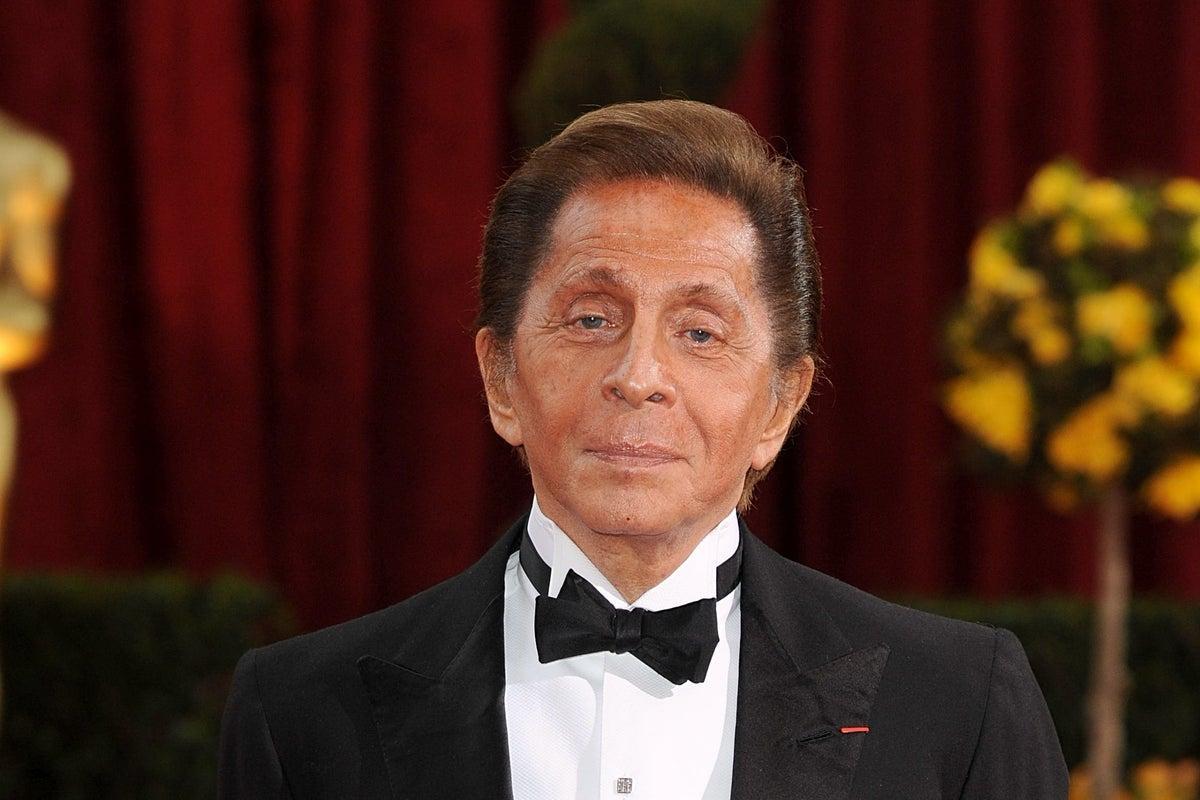
Crowds in Rome and global fashion figures gathered to farewell Italian designer Valentino Garavani, 93, at a funeral service in a historic basilica.
Watch live from Valentino’s funeral in Rome as mourners say goodbye to fashion icon https://t.co/X9lBCArt7i pic.twitter.com/aGZPMSfBpM
— The Independent (@Independent) January 23, 2026
Why This Matters
Valentino Garavani, known worldwide simply as Valentino, helped define European luxury fashion for more than half a century. His death at 93 and high-profile funeral in Rome mark the passing of one of Italy’s best-known cultural figures, whose work bridged Hollywood, high society and the runway.
For Italy, Valentino was part of the country’s postwar story, turning Roman ateliers into global brands and drawing shoppers, jobs and investment to its fashion industry. His celebrity clients and red-carpet gowns made “Valentino red” a visual shorthand for glamour, boosting the country’s image far beyond Europe.
The turnout in Rome – with movie stars, fashion leaders and ordinary mourners – underlines how fashion can move from niche industry to shared culture. As designers and brands change hands more quickly, Valentino’s long career and carefully built house offer a contrast: a reminder of an era when a single designer’s name and vision could dominate a label for decades.
Key Facts & Quotes
Crowds gathered in central Rome on Friday for the funeral of Italian fashion designer Valentino Garavani, widely known as Valentino, who died at the age of 93, according to reports from the service. The funeral Mass was held at the Basilica of Saint Mary of the Angels and Martyrs, a 16th-century church built inside the ancient Baths of Diocletian.
According to footage and images from the ceremony, actors Elizabeth Hurley and Anne Hathaway, fashion editor Anna Wintour, and designer and filmmaker Tom Ford were among the mourners. Longtime collaborator Giancarlo Giammetti, co-founder of the Valentino fashion house, also attended, alongside models and members of Italy’s cultural and business communities.
Valentino launched his label in Rome in 1960 and became famous for dramatic evening gowns, wedding dresses and a signature shade of red. He dressed prominent figures including Jacqueline Kennedy Onassis and movie stars across several generations. His life and work were chronicled in the 2008 documentary titled “Valentino: The Last Emperor,” underscoring his status in global fashion.
The designer formally retired in 2008, but the Valentino brand continued under new creative directors, remaining a fixture of Paris and Milan fashion weeks.
What It Means for You
For many readers, Valentino’s passing will register less as a business story and more as a marker of time. His designs have appeared at weddings, on magazine covers and at awards shows watched in living rooms around the world. The images from Rome may prompt memories tied to a dress, a film premiere or a royal event he helped shape visually.
Going forward, attention will likely focus on how the Valentino brand preserves his archives and legacy, and how newer designers interpret “classic” European elegance. For consumers, that may show up in continued demand for vintage Valentino pieces, museum exhibitions and books revisiting the era he helped define.
Sources: Funeral details and attendee list based on video and text from a major European public broadcaster published January 23, 2026; career background from the official Valentino fashion house biography and publicly available archival materials accessed prior to October 2024.
What memories or moments come to mind for you when you think about Valentino’s designs or the era of fashion he helped shape?