TL;DR
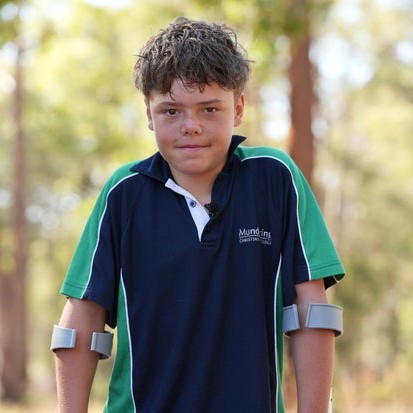
A 13-year-old boy in Western Australia swam about 4 kilometers (2.5 miles) through rough seas to get help after his mother and two younger siblings were swept far from shore while kayaking and paddleboarding. All four survived.
Why This Matters
This rescue story from the Western Australian coast highlights both the power of the ocean and the importance of preparation when families head to the water. Even on what begins as a routine beach outing, shifting winds and currents can quickly turn kayaks and paddle boards into hazards, especially for children.
Authorities say the Appelbee family’s survival owed a lot to a mix of safety gear, a rapid emergency response, and the decisions made by both the mother and her 13-year-old son, Austin. The three family members who stayed together in the water were all wearing life jackets and clinging to a paddleboard when rescuers finally reached them.
For readers in coastal states from Florida to California, and for anyone planning vacations near lakes or the ocean, the incident is a reminder that strong swimming skills and basic safety steps – like checking conditions and using life jackets – can buy precious time if something goes wrong. It also underscores how search-and-rescue services and local volunteers remain a crucial last line of defense when people are in trouble offshore.
Key Facts & Quotes
According to Western Australia police, 13-year-old Austin Appelbee was on vacation near Quindalup, in the state’s southwest, with his mother, Joanne, 47, brother Beau, 12, and sister Grace, 8, when conditions changed around midday. The family had hired kayaks and paddle boards from their hotel when rough ocean swells and wind began dragging them away from shore.
Police say Austin decided to try to reach land for help. He first used an inflatable kayak that began taking on water, then started swimming. Naturaliste Marine Rescue commander Paul Bresland told a local broadcaster that Austin swam for roughly four hours, at first wearing a life jacket and then without it after deciding it was slowing him down. Bresland described the effort as “superhuman.”
Austin later recalled thinking, “The waves are massive, and I have no life jacket on … I just kept thinking ‘just keep swimming, just keep swimming,'” before finally reaching the beach, collapsing, and raising the alarm around 6 p.m.
Meanwhile, his mother stayed with Beau and Grace, all three in life jackets and holding on to a paddleboard as they drifted farther out. A search helicopter eventually found them at about 8:30 p.m., roughly 14 kilometers (9 miles) from where they had started, after as long as 10 hours in the water. By then, police and rescuers said the children were shivering, and Beau had lost feeling in his legs from the cold.
Police Inspector James Bradley said in an official statement that “the actions of the 13-year-old boy cannot be praised highly enough – his determination and courage ultimately saved the lives of his mother and siblings.” In interviews, Joanne Appelbee called sending Austin for help “one of the hardest decisions” she has ever made, but added, “I have three babies. All three made it. That was all that mattered.”
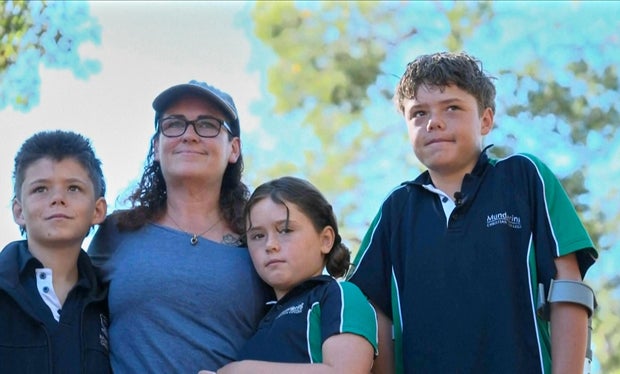
All four family members were medically checked after rescue and did not require hospital admission. In a Facebook post, the Naturaliste Volunteer Marine Rescue Group said the “bravery, strength, and courage shown by this family were extraordinary, especially the young fella who swam 4km to raise the alarm and set everything into motion.”
What It Means for You
For many families, this latest update from Australia will resonate as a near-miss that could happen on any coastline. Even confident swimmers can be caught off guard by distance, currents, and cold water, and inflatable equipment can fail without warning.
Safety experts consistently recommend checking marine forecasts, using properly fitted life jackets, keeping children within arm’s reach on the water, and carrying reliable ways to call for help. Basic survival tips – staying together, conserving energy, and keeping a positive focus, as the Appelbees tried to do by singing and joking at first – can also make a difference while waiting for rescue.
As more people travel and seek outdoor recreation, search-and-rescue crews and local volunteers remain vital. Their role, combined with individual preparation, often determines whether an accident becomes a tragedy or a survival story. How do you think families and local authorities should balance the appeal of water sports with clearer warnings and safeguards about changing conditions offshore?
Sources: Statements from Western Australia police and regional marine rescue officials, given Feb. 2-3, 2026; Interviews with the Appelbee family and rescue commander aired on an Australian public broadcaster, Feb. 2-3, 2026; Naturaliste Volunteer Marine Rescue Group public post on Facebook praising the rescue, posted Feb. 2, 2026.