TL;DR
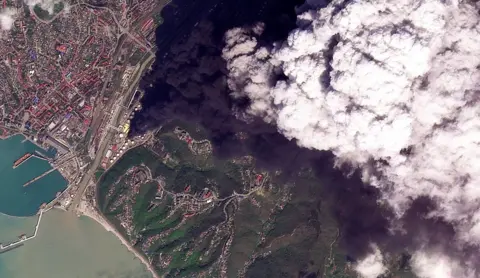
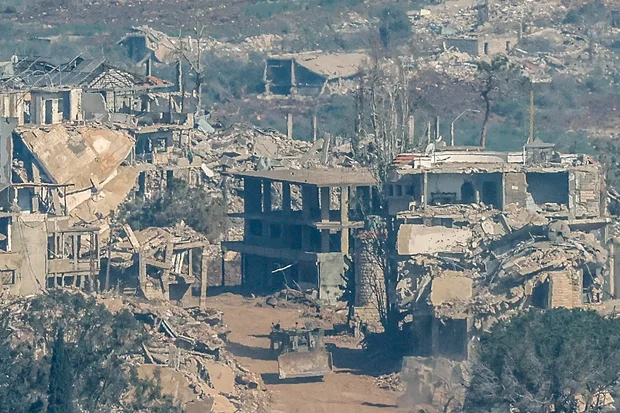
The United States carried out strikes in Venezuela after President Trump announced an operation targeting Nicolas Maduro, drawing swift global criticism and questions over legality and regional stability.
Why This Matters
The reported U.S. operation against Venezuelan President Nicolas Maduro marks one of the most dramatic turns in Latin American politics in years. Venezuela sits on some of the world’s largest proven oil reserves and has long been a flashpoint in global news, with its economic collapse and mass migration shaping politics across the Americas.
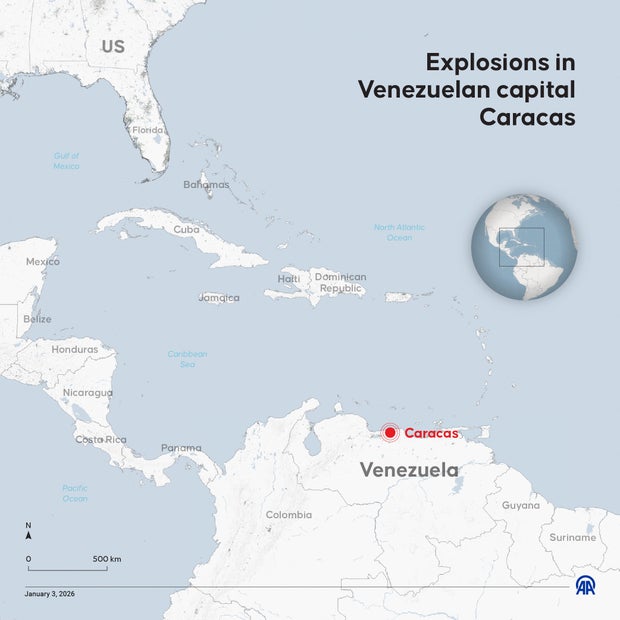
A direct U.S. military strike on a sitting head of state is rare and carries serious implications for international law, including the United Nations Charter’s limits on the use of force. It may also reshape alliances, from Washington’s relations with Latin American neighbors to its standing with Europe and other major powers that have urged restraint.
For the United States, this latest update raises questions about presidential war powers, congressional oversight, and the long-term strategy toward regime change abroad. For Venezuelans, it could alter the balance of power after years of political deadlock, but it also risks further instability on the ground. How the situation unfolds in the coming days will determine whether this becomes a short operation or the start of a prolonged crisis.
Key Facts & Quotes
According to official statements aired from Washington, President Trump announced a large-scale military strike against Venezuelan targets linked to President Nicolas Maduro. U.S. officials said Maduro and his wife were captured during the operation and flown out of the country; those claims have not yet been independently verified by international observers.
Venezuelan President Nicolás Maduro has been captured and removed from the country, President Donald Trump announced after confirming that the U.S. forces conducted what he called “a large-scale strike against Venezuela” early Saturday morning. Read more: https://t.co/KvmzeAJ9w8 pic.twitter.com/uGOwxm9dKr
— ABC News 4 (@ABCNews4) January 3, 2026
The raid was described by U.S. defense officials as a special operations mission involving an elite Army unit commonly known as Delta Force. It followed months of U.S. military buildup in the Caribbean region, including the deployment of the aircraft carrier USS Gerald R. Ford and supporting naval assets.
Venezuelan authorities denounced the action as a violation of the nation’s sovereignty and called for emergency meetings at regional bodies, according to government statements from Caracas. Foreign ministries in Europe and other parts of Latin America reacted within hours, urging de-escalation. Several governments, in coordinated messages, “urged restraint and respect for international law,” emphasizing the need to avoid a wider conflict.
Lawmakers in Washington from both parties called for briefings on the legal basis of the strikes, including whether they were authorized under existing congressional resolutions or justified as self-defense under international law. Opposition figures in Venezuela, long critical of Maduro, issued varied responses, with some welcoming the possibility of political change but also warning about the risks of external military intervention.
What It Means for You
For many in the United States, this top story may first show up as higher volatility in global markets, especially energy prices, as traders assess the risk to oil supplies and regional shipping routes. Any sustained disruption could eventually filter into gasoline prices and household budgets.
At home, expect a renewed debate over presidential authority to launch military action without a formal declaration of war, a topic that often resonates strongly with voters 35-70 who remember earlier interventions. Congress may move to hold hearings, and the operation could quickly become a central issue in national politics and upcoming elections.
Families with ties to Venezuela, or communities that have seen recent Venezuelan migration, may feel the impact more directly as they follow news of relatives and friends. As the situation develops, watch for official briefings from Washington, statements from regional governments, and any calls at the United Nations for investigations or peace talks-those will be key indicators of where this crisis is headed and what it means next for everyday life.