TL;DR
Rome will charge non-resident tourists 2 euros for close-up daytime access to the Trevi Fountain, aiming to control crowds and fund cultural preservation.
Why This Matters
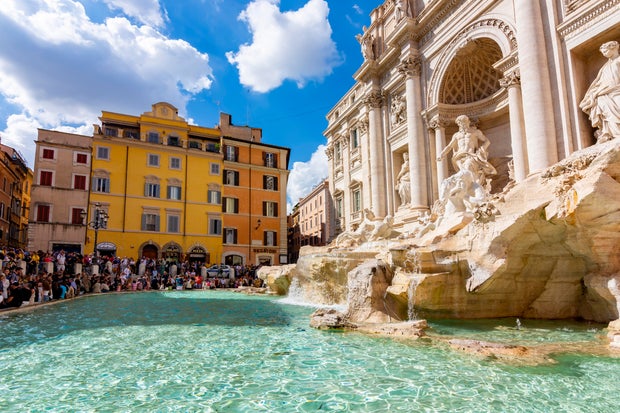
The Trevi Fountain is one of the world’s most visited landmarks, drawing millions each year to its narrow Baroque piazza. Rome’s new 2-euro fee for tourists who want to get right up to the fountain reflects a broader global trend: popular cities are struggling to balance tourism income with quality of life for residents and protection of historic sites.
City officials say the money will help with maintenance and broader cultural-heritage costs, while a ticketed entry system should reduce the crush of people around the basin. Similar measures have been tried at other iconic locations, from Venice’s day-trip fee to tightened rules in cities such as Barcelona and Amsterdam.
For travelers, this is part of the latest update in how European destinations are managing overtourism. For residents, it is about reclaiming public spaces and protecting monuments from wear, vandalism and unsafe crowding. How Rome’s approach works at Trevi could influence future policies at other famous sites across Italy and beyond.
Key Facts & Quotes
Starting February 1, non-resident visitors who want to approach the edge of Rome’s Trevi Fountain between 9 a.m. and 9 p.m. will pay a 2-euro fee. The view from the surrounding piazza will remain free, and access after nightfall will also be free of charge.
The measure is designed to manage the heavy flow of tourists in a small, congested area and to help pay for upkeep of Rome’s cultural heritage. City officials estimate the fee could raise the equivalent of about $7.6 million a year. Residents of Rome will be exempt.
The new system formalizes a yearlong experiment that already required visitors to queue, follow a dedicated entrance-and-exit path, and limited how many people could reach the basin. According to city figures, around 9 million people lined up for a close-up visit this year, with as many as 70,000 on peak days.
“We believe that culture is a fundamental right of citizenship,” Rome Mayor Roberto Gualtieri told a news conference, explaining that Romans will continue to enjoy many museums free of charge while visitors pay modest fees. Italy’s tourism minister, Daniela Santanche, who has spoken out after high-profile vandalism incidents at monuments, has framed recent rules with a simple principle: “You break it, you pay for it.”
What It Means for You
If you are planning a trip to Rome, the Trevi Fountain will still be easy to see without paying. However, getting that classic photo from the fountain’s edge during daytime hours will now cost a small fee unless you are a registered resident of the city.
Travelers may want to budget a bit more for cultural visits, as the Trevi charge comes alongside a new 5-euro ticket for some city museums, while locals receive expanded free access. Buying tickets online or at official tourist points could help avoid last-minute lines. Longer term, similar systems could appear at other crowded landmarks, so visitors may see more timed entries and small access fees at major sites across Europe.
Sources
- Statements by Rome Mayor Roberto Gualtieri at a city news conference on Trevi Fountain access, as described by municipal authorities.
- Public comments by Italian Tourism Minister Daniela Santanche on vandalism penalties and cultural-heritage protection, 2023.
- Official information from the City of Venice on its day-tripper visitor contribution to manage overtourism, 2024.
What do you think is the fairest way for historic cities to balance open public access with protecting famous sites from overcrowding and damage?