Why This Matters
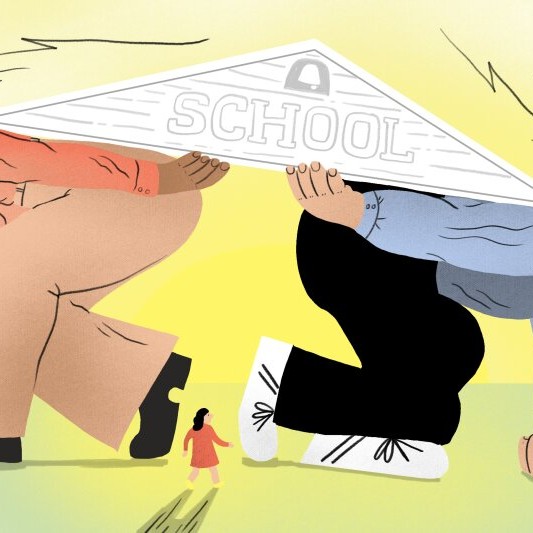
A new analysis from the National Education Association (NEA) finds that, even as average teacher salaries have risen on paper, inflation has left many educators effectively earning less than they did a decade ago. That squeeze is also hitting school support staff, who keep buildings open and students safe but often earn far less.
The report covers roughly 3.2 million public school teachers and nearly 49 million students nationwide, offering one of the clearest snapshots of how pay, staffing, and enrollment are shifting. With many districts already facing teacher shortages and recruitment challenges, the numbers help explain why it remains hard to attract and keep educators, especially early in their careers.
The findings land amid ongoing debates over how public schools are funded, from local property taxes to state budgets and targeted federal aid. By tracking salaries, enrollment, and funding side by side, the NEA data provides policymakers, parents, and taxpayers with a common baseline as they debate priorities and trade-offs.
Key Facts and Quotes
The NEA reports that the average public school teacher salary reached $74,495 in the 2024-25 school year, up 3.5% from the year before. But after adjusting for inflation and comparing to 2017, the union estimates teachers’ real earnings have dropped by nearly 5%. California, New York, and Washington top the salary list, all near or above $100,000, while Mississippi, Florida, and Louisiana sit at the low end in the mid-$50,000s. These figures do not account for local cost-of-living differences.
Only 11 states have seen inflation-adjusted teacher pay rise since 2017, according to the NEA. Washington state stands out with a 36% real increase, following a state supreme court ruling that ordered lawmakers to better fund public schools and imposed fines of $100,000 a day until they did so. The report highlights Washington as evidence of how court pressure and state policy can move salaries.
For new teachers, the national average starting salary is now $48,112, up 3.4% in the latest year, but with less than 1% real growth after inflation. The highest average starting pay is in the District of Columbia, Washington state, California, New Jersey, and Utah, while Montana, Nebraska, Missouri, Oklahoma, and Kentucky offer the lowest. NEA President Becky Pringle said in a statement, “Dedicated educators show up every day … but too many are struggling to stay in the profession they love. They deserve pay that reflects their expertise … and the respect that honors the essential role they play in shaping the future of this nation.”
Support staff, including custodians, cafeteria workers, paraeducators, bus drivers, and security staff, earn an average of $36,360, the NEA finds. That is about $1,400 more than the previous year, but when compared to 2016 and adjusted for inflation, their pay is estimated to have fallen by $2,344. The report warns that low wages for these workers can undermine efforts to keep schools fully staffed.
States with collective bargaining laws show higher average teacher and support-staff pay. The NEA calculates that starting teacher salaries are $366 higher and top salaries $15,105 higher in bargaining states than in those without such laws, while support staff earn about 13% more. The union notes that more than 80% of school districts are in states that allow some form of bargaining, though it cautions that the data only show correlation, not proof of cause. One exception is South Carolina, which lacks a bargaining law but approved an 11% raise for starting teachers last year.
Student enrollment continues a slow decline. Public schools enrolled nearly 49 million students in 2024-25, a 0.3% drop from the year before and roughly 3.6% below 2016 levels, the NEA estimates. The average student-teacher ratio holds at 15.1 to 1, but ranges from roughly 22 students per teacher in Arizona, Nevada, and Utah to about 10 or 11 in Vermont, New York, and the District of Columbia.
On funding, the report says federal dollars made up 7.8% of school revenue last year, with state governments providing about 47% and local governments, including property taxes, about 45%. The federal share is expected to dip to 7.3% as COVID-19 relief money runs out. In several mostly Republican-led states, including Kentucky, Alaska, New Mexico, Louisiana, and Mississippi, federal aid still accounts for at least 10% of school funding. These figures come as President Donald Trump continues efforts to shrink the U.S. Department of Education and shift more control to states, according to the NEA data and NPR’s reporting.
What It Means for You
For families, the report is a reminder that the adults in classrooms and on school buses are facing rising costs even as their pay falls behind inflation. That can affect how long experienced teachers stay, how many new graduates enter the field, and whether districts can fill essential support roles, all of which shape class sizes, course offerings, and school safety.
For voters and taxpayers, the findings underscore that most school funding still comes from state and local decisions, not Washington. As enrollment declines and federal relief dollars expire, communities will likely face choices about salary schedules, property taxes, school closures, or reinvestment in remaining campuses. Watching how your state responds to pay, bargaining rights, and funding could signal the future strength of local public schools.
How do you think your state should balance fair pay for educators with concerns about taxes and school budgets in the years ahead?
Sources
National Education Association, Rankings and Estimates report on school statistics and teacher pay, released April 2026; NPR, Cory Turner, “Inflation is sucking the life out of teacher pay raises, report says,” published April 27, 2026.