Why This Matters
Oil prices are rising again as the United States and Iran remain stuck in a two-month war with no clear path to a settlement, according to CBS News. At the center of the standoff is the Strait of Hormuz, a narrow waterway that is one of the world’s most important energy chokepoints.
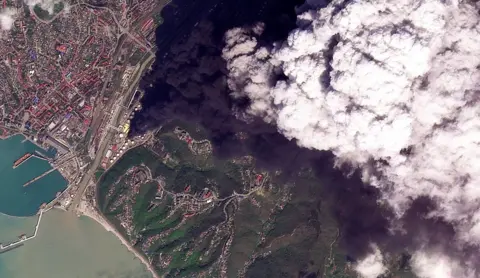
Roughly a fifth of global oil traded by sea normally passes through this strait. Any prolonged disruption there can quickly push up fuel, shipping, and insurance costs worldwide. The reported Iranian offer to fully reopen the route, in exchange for the United States lifting its naval blockade of Iranian ports and vessels, highlights how directly the conflict is tied to global energy flows.
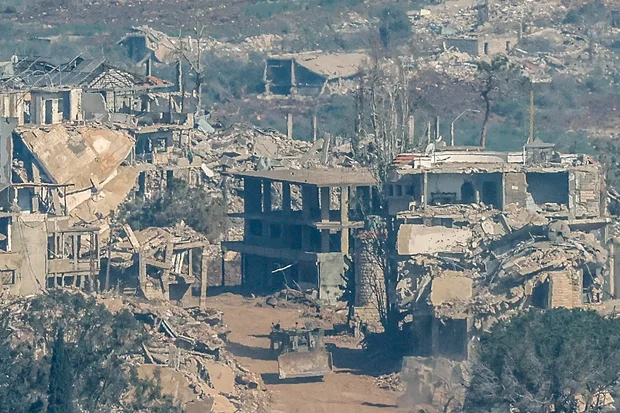
The parallel tensions between Israel and Hezbollah in Lebanon add another layer of risk. A fragile ceasefire there, now complicated by Hezbollah’s rejection of U.S.-brokered talks, raises the chance of a broader regional flare-up that could threaten more infrastructure and deepen global economic uncertainty.
Key Facts and Quotes
Iran has proposed a deal to reopen the Strait of Hormuz to commercial shipping if Washington ends its military blockade of Iranian ports and ships, sources told CBS News. The offer reportedly does not include any concessions on Iran’s nuclear program, which President Donald Trump has said must be dismantled as part of any broader agreement to end the fighting.
According to CBS News, President Trump abruptly canceled plans over the weekend to send senior U.S. envoys to Pakistan for a second round of direct talks with Iranian officials. He insisted his administration holds “all the cards” and said that if Tehran wants “to talk, they can come to us, or they can call us.” The move has cast doubt on Pakistan’s effort to mediate, as Iran’s foreign minister heads to Russia for talks with President Vladimir Putin.
On the northern front, the leader of Hezbollah, the Iran-backed group based in Lebanon, has flatly rejected U.S.-brokered negotiations between Israel and Lebanon “and their outcomes,” CBS News reported. That statement raises new doubts about the tenuous ceasefire in the Lebanon-Israel conflict and further complicates efforts to reach any wider U.S.-Iran deal that might calm multiple fronts at once.
Oil prices climbed on Monday as traders reacted to signs that the U.S.-Iran war could drag on without a diplomatic breakthrough, according to CBS News. Markets are closely watching whether any agreement emerges that would guarantee safe passage through the Strait of Hormuz and reduce the risk of sudden supply disruptions.
What It Means for You
For Americans, the main near-term impact is likely to be at the gas pump and in broader energy costs. If tensions around the Strait of Hormuz persist, higher crude prices can feed into gasoline, diesel, and jet fuel prices, affecting commuting, air travel, shipping costs, and potentially the prices of goods across the economy.
Looking ahead, key signals to watch include any U.S. response to Iran’s reported offer on Hormuz, the fate of Pakistan-led diplomacy, and whether the Lebanon ceasefire holds. Developments on these fronts could influence not only energy prices but also financial market volatility, defense spending decisions, and future U.S. engagement in the Middle East.
In moments of conflict, energy supplies, and diplomacy are so tightly linked, what do you think should be the top priority guiding U.S. decision-makers?
Sources
CBS News live updates on the Iran war, Strait of Hormuz, and oil prices, April 27, 2026; Official statements and quotations by U.S., Iranian, Russian, Israeli, Lebanese, and Hezbollah representatives as reported by CBS News.