Why This Matters
A rare humpback whale stranded in Germany’s Baltic Sea is growing weaker, and specialists now doubt it can make the long journey back to the Atlantic Ocean. The animal’s struggle has drawn national attention in Germany and highlights how difficult and uncertain whale rescue operations can be, even close to shore.
Humpback whales normally live in deeper, saltier waters of the North Atlantic, not the brackish, semi-enclosed Baltic Sea. Their presence so far from usual migration routes raises questions about navigation errors, human activity such as fishing, and broader shifts in marine ecosystems.
The case also underscores the limits of human intervention. Despite heavy equipment, coordinated teams, and constant monitoring, officials say nature and geography may ultimately determine the whale’s fate. For many viewers following the story, it is a vivid reminder of how vulnerable large marine mammals are once they leave their normal habitat.
Key Facts and Quotes
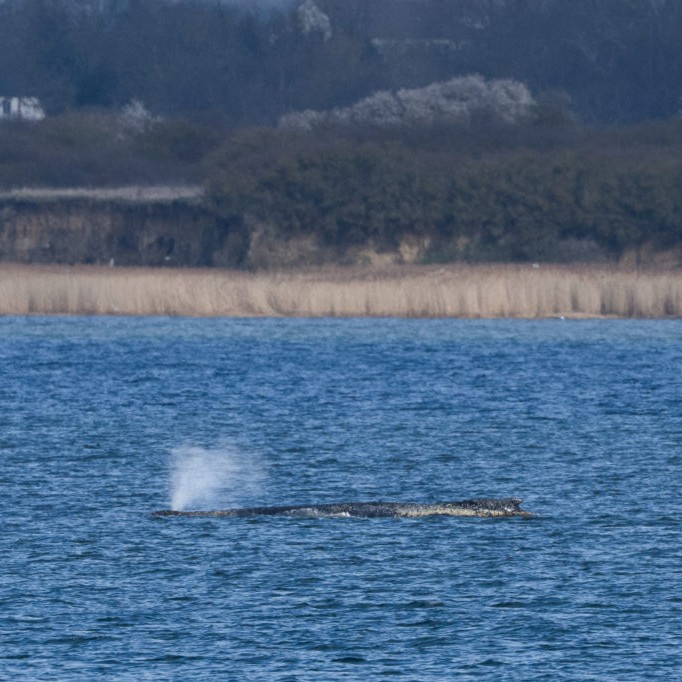
The whale, estimated at 12-15 meters (39-49 feet) long, has been stuck in shallow waters near Wismar Bay in northeastern Germany. Authorities created a 500-meter exclusion zone around the animal so it could rest without disturbance and, in the best case, regain enough strength to free itself, officials said at a news conference in Wismar.
Till Backhaus, the environment minister for the state of Mecklenburg-Pomerania, said the animals might have sustained injuries after contact with a fishing net. He explained that the whale would only have a realistic chance of saving itself “if he regains his strength” and can resume swimming toward deeper waters.
Earlier this week, rescue teams tried to move the whale off sandbanks near Timmendorfer Strand beach and later in Wismar Bay, using boats and even an excavator to generate waves to free the animal. The efforts, widely covered in German media, briefly raised hopes but ultimately failed. Since then, experts say the whale’s condition has worsened.
Humpback whale freed from Baltic Sea resort in Germany becomes stranded again https://t.co/ZcMRrTrVbq pic.twitter.com/egmmEyqyVd
— The Independent (@Independent) March 28, 2026
“It is very noticeable that the animal is showing significantly less activity,” said Stefanie Gro of the Institute for Terrestrial and Aquatic Wildlife Research at the University of Veterinary Medicine Hannover. She noted that its breathing rate has fallen and “the animal is not moving,” signs of declining strength and mounting stress.
Scientists are not certain why the whale entered the Baltic Sea at all. Some suggest it may have followed a shoal of herring or strayed off course during migration. What is clearer, experts say, is that the Baltic’s low salt content and limited food supply make long-term survival unlikely. The whale has already developed a skin disease linked to the unsuitable water conditions.
To survive, the animal would need to navigate narrow straits between Germany and Denmark, then travel roughly 500 kilometers (about 310 miles) to reach the North Sea and the Atlantic Ocean. “You realize that it’s a real bottleneck you have to navigate, and naturally, the chances of success are relatively slim,” said Burkard Baschek, director of the German Maritime Museum in Stralsund. The whale was first reported in the Baltic on March 3, with stranding reports emerging in the past week.
What It Means for You
For readers far from the Baltic, this case offers a window into how coastal nations respond when large marine mammals run into trouble. It highlights ongoing concerns about fishing gear, ship traffic, and shifting ocean conditions that can bring whales into unfamiliar or dangerous waters.
Officials say they will continue monitoring the whale and may study its body if it does not survive, to better understand what went wrong. For people living along coasts worldwide, the story is a reminder to report stranded or distressed marine animals to local authorities and avoid direct contact, so trained teams can respond safely and quickly.
When you follow stories like this humpback whale’s struggle, how do you think societies should balance intervening to help wildlife with accepting nature’s course?
Sources
- Reporting and on-scene details from an Associated Press report carried by PBS NewsHour, March 29, 2026.
- Statements by environment minister Till Backhaus at a Mecklenburg-Pomerania press briefing in Wismar, March 2026.
- Assessments from Stefanie Gro of the Institute for Terrestrial and Aquatic Wildlife Research at the University of Veterinary Medicine Hannover, as quoted in press reports.
- Comments by Burkard Baschek, director of the German Maritime Museum in Stralsund, in public statements on the whale’s situation.