TL;DR
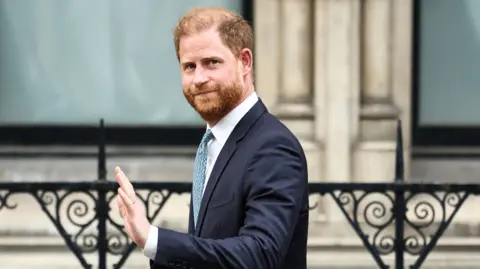
Prince Harry is back in a London courtroom, accusing the publisher of the Daily Mail of unlawful information-gathering, even as he tries to keep a lower profile and repair strained ties with the Royal Family.
Why This Matters
This latest update in Prince Harry’s long-running clash with the British press goes beyond royal drama. It touches on two core democratic values: the right to privacy and the freedom of the press. The case targets one of the UK’s most influential newspaper groups and revisits older allegations about how far journalists went to get stories on public figures.
For many readers, especially those who have followed Harry’s move to the United States and his public criticism of the media, this trial is a test of whether high-profile individuals can hold powerful outlets to account years after the events in question. A ruling against the publisher could encourage more historic claims and push newsrooms to tighten standards around data use and private investigators.
The case also matters for the monarchy’s image. Harry is pursuing aggressive legal action while, at the same time, signaling that he wants calmer relations with his father, King Charles, and his brother, Prince William. How he balances those goals will shape not only his own future role, but also how the Royal Family is seen around the world.
Key Facts & Quotes
The civil trial, due to begin on Monday in London, centers on claims that Associated Newspapers, publisher of the Daily Mail and Mail on Sunday, used unlawful methods to obtain private information about Prince Harry and other public figures. Other claimants include singer Sir Elton John, actor Liz Hurley, and Baroness Doreen Lawrence, a prominent campaigner and mother of murdered teenager Stephen Lawrence.

According to court filings made in London in 2022 and subsequent public statements, the claimants allege a range of tactics, including misuse of private investigators and unlawful access to personal data. The publisher strongly denies the claims, calling the allegations “preposterous” and pledging a robust defense of its journalism.
Prince Harry to Testify Next Thursday in Nine-Week Trial Accusing Daily Mail Publisher of Installing Listening Devices in Carshttps://t.co/x9rPJXSROQ pic.twitter.com/yWttd9bNXN
— Britannia Daily (@BritanniaDailyy) January 15, 2026
This is Harry’s third major legal battle with UK newspaper groups. In 2023 he won part of a case against the publisher of the Mirror titles, with a judge finding that some stories were the result of unlawful information-gathering. That appearance was one of the most significant royal moments in a witness box in modern times.
The Mail titles, however, were not found to have engaged in phone hacking during earlier investigations. At the 2012 Leveson Inquiry into press standards, long-time Mail editor Paul Dacre said he had ordered a “major internal inquiry” and was “confident” there had been no phone hacking at his papers, though he acknowledged the use of private investigators to obtain contact details within data protection rules.
Commentators now describe this case as possibly Harry’s last large-scale fight with the tabloid press. One veteran royal watcher has called it his “final tilt at the national newspapers he blames for ruining his life,” while noting that Harry appears “not so angry” and more focused on mending fences with his family.
What It Means for You
For readers in the U.S. and elsewhere, this top story offers a window into how far big media organizations can go when reporting on public figures, and what recourse those figures have years later. Any court findings about past newsroom practices could influence future privacy cases, shape how tabloids and digital outlets use private investigators, and affect the tone of celebrity and royal coverage.
It also highlights a personal dilemma familiar to many families, even outside global news: how to hold someone – or in this case, an institution – accountable without destroying chances of reconciliation. As the trial unfolds, watch for whether new evidence about historical practices emerges, how the court defines “unlawful” information-gathering, and whether Harry continues to keep public commentary to a minimum.
Sources
- Publicly available filings and statements in Prince Harry and others v. Associated Newspapers Ltd, High Court of Justice, London (from 2022 onward).
- On-the-record reporting and broadcast coverage by major UK public-service news organizations in mid-January 2026, summarizing the upcoming trial and royal reaction.
How do you think public figures should balance holding the press to account with protecting their relationships and family ties?